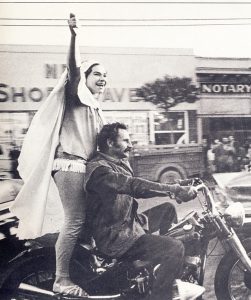
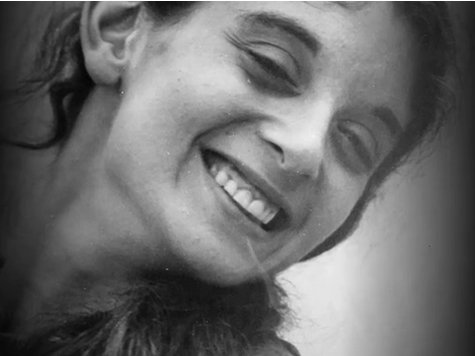
Today Vicki Pollack is known as the legendary founder and director emeritus of the San Francisco Bay Area-based Children’s Book Project, the non-profit organization that has provided over 2.9 million “gently used” books to local kids since 1992. But in late 1967, Vicki was a directionless, 25-year-old college graduate and Civil Rights activist who’d left her welfare worker job in New York City to move to the Bay Area in pursuit of something more.
She found it in February, 1968, when she walked into an extraordinary old Victorian house on Willard Street in San Francisco. Some Diggers were living there, plotting to expand the audacious social liberation work they had spontaneously begun in the Haight-Ashbury district just 17 months prior. Now they were setting their sights on the whole of San Francisco.
Actor Peter Coyote and the late Emmett Grogan are the usual names associated with the Diggers, as they wrote books chronicling their participation in that era; Grogan’s Ringolevio is the most notorious. But there were many others, like Vicki, who participated in the various Digger initiatives of the time, and whose stories — and unique perspective and insights — have never been told at length, or in any detail, in public.
With that in mind, it gives me a great deal of pleasure to share this interview with Vicki, constructed from two conversations I had with her in San Francisco in 2010. There has been some editing for clarity, but for the most part, this has not been edited down for a general audience, and many incidents and personages are spoken of without context, or only in passing. As always, my advice to the casual-but-curious reader is to simply let these unfamiliar/unexplained bits pass. Keep reading, you’ll like the next part.
Continue reading “I TRULY BELIEVED: An in-depth conversation with Vicki Pollack of the San Francisco Diggers” Diggers Docs