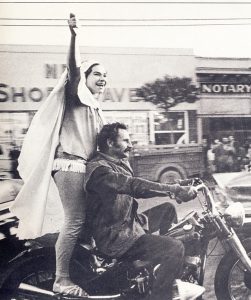
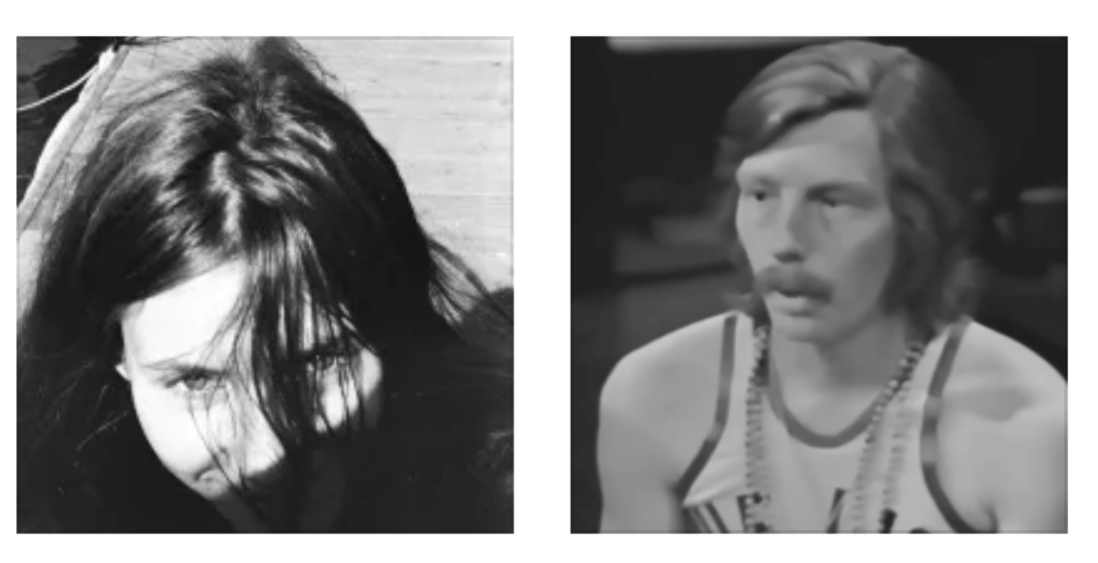
I interviewed two members of the San Francisco Diggers, Nina Blasenheim and Freeman (nee Linn) House, together at their home on California’s Lost Coast in August, 2010.
A little background for the uninitiated:
In 2026, the Diggers are little-known. But in 1966-8, such was the Diggers’ presence and notoriety that seemingly every reporter filing a story on the Haight included the Diggers in their account. “A band of hippie do-gooders,” said Time magazine. “A true peace corps,” wrote local daily newspaper columnist (and future Rolling Stone editor) Ralph J. Gleason. The Beatles’ press officer Derek Taylor would later write, “[The Diggers] were in my opinion the core of the whole underground counterculture because they were our conscience.”
So, as the counterculture came into being, the Diggers were there, the Diggers were important, the Diggers were well-known, but crucially, though they acted in public, the Diggers were anonymous. Nobody knew who they were, where they came from, or how they did what they did. In short, they had a mystique: a group of LSD-fueled street anarchists with a philosophy/practice of “everything is free / do you own thing.”
A couple years ago I came across this March 1967 article from the Foghorn, a student newspaper published by the University of San Francisco, a private Jesuit school, that summed up the Diggers vibe succinctly:
The sign on the door said, “You are a digger.” About 50 people had accepted the invitation and moved into the house high in the hills over the Haight-Ashbury.
A cauldron of stew was cooking in the kitchen. The stew, eventually, would be trucked down to the Panhandle, free for anyone with a bowl and a spoon. No one know for sure who brings the food that goes into the stew. Some is donated, some bought, some stolen. The stew would be good today; someone had brought two chickens.
It’s all the work of the Diggers, a mysterious, amorphous group in the Haight-Ashbury dedicated to given things away free and “doing their thing.” They have been evicted from more than half a dozen flats, apartments, and store fronts in the six months of their existence in San Francisco.
One place of refuge is the All Saints Episcopal Church on Waller, where Father Leon Harris has let the Diggers use his church kitchen to prepare the food for the Panhandle for three weeks now.
“The Diggers are industrious, cheerful and benevolent,” he said. “They also give away free clothing and find lodging for homeless people. It seems to me they put a lot of professing Christians to shame by their goodness.”
The conversation with Nina and Freeman in 2010 was the third serious Diggers interview I had conducted in less than 18 hours. Reviewing the recording later, I could tell that although my enthusiasm for the subject was undimmed, fatigue had set in and my lines of questioning and follow-ups were not as solid as they should’ve been.
But it’s still Nina and Freeman, together. What a joy to be in the presence of these two big minds, as they ribbed each other and made each other laugh, as they mulled over memories and tried to come to some sort of understanding about how it all happened the way that it did, and what it might possibly mean. When I walked through their door, they told me they had just been talking together about why exactly interest in the Diggers kept coming around, even after all these years. They seemed genuinely puzzled, and for a few minutes, it was me who was being interviewed about what the answer might be.
Our conversation flowed, with some stops and starts and many detours as they examined the Diggers-related documents that I’d brought along as conversation/memory prompts. Editing this conversation into a satisfying beginning-to-end piece like some of the other oral histories on this site was always going to be a challenge, and it wasn’t until recently, all these years later, that I finally understood that this simply isn’t that kind of piece. It’s something else, which is fine.
Continue reading “‘DIGGERS WELCOME’: A conversation with Nina Blasenheim and Freeman House”
 Diggers Docs