Arthur Lisch and Emmett Grogan, January 1967. Photograph by William Gedney, courtesy Eric Noble at diggers.org. Eric discovered this photo and many others in the Gedney collection housed at the David M. Rubenstein Rare Book & Manuscript Library at Duke University.
Thanks everybody for the kind words and donations. As you may have noticed, I’ve used some of the funds to upgrade this site with WordPress; all ads have been removed, and the site now has a simpler address: diggersdocs.org
Meanwhile, I’ve been working on two major-ish projects.
The first is another in the Oral Histories series, this one a never-before-published long conversation with Nina Blasenheim and the late Freeman (Linn) House that I recorded at their home in 2010. I hope to have it for you before this year’s holiday season gets underway sometime this summer.
The second project is a bit different. I am working with close family members of the late Arthur Lisch (pictured above) to get a better understanding of who he was, how he came to be involved in the Diggers, what he did during that period, and what he did later. Arthur was a fascinating cat who played a major role in the Diggers story; although he is certainly present in contemporaneous media accounts and some scene/period histories, much of his specific work, ideas and impact has perhaps been overshadowed by other Digger voices. In an effort to set the record straight(er), I’m excited to share what I’ve been finding with everyone here soon… again, hopefully before mid-December sometime this summer.
There’s a few other things on the boil but I’m not yet sure if they’ll amount to much. We shall see.
Thanks again for reading. If you’d like to help cover the costs of this effort, donations of any amount at all are appreciated. Click here to get that happening.
In 2010, I drove to northern California from my home in Joshua Tree to interview as many living Diggers as would talk to me. Each conversation over those few days felt like a breakthrough—a motherlode of historical detail and insight beyond what I had gleaned from book research. And each Digger I interviewed was excited to learn that I was headed to Humboldt County to interview Jane Lapiner and David Simpson at their forest home. This couple, together since April, 1967, was beloved by other Diggers. If I was interviewing them, it meant that I was really doing my work. Instant Diggers cred.
In 2022, the Diggers are little-known. But in 1966-8, such was the Diggers’ presence and notoriety that seemingly every reporter filing a story on the Haight included the Diggers in their account. “A band of hippie do-gooders,” said Time magazine. “A true peace corps,” wrote local daily newspaper columnist (and future Rolling Stone editor) Ralph J. Gleason. The Beatles’ press officer Derek Taylor would later write, “[The Diggers] were in my opinion the core of the whole underground counterculture because they were our conscience.”
Jane Lapiner and David Simpson were in their mid-20s during the Diggers period. Jane was a single mother from New York City with a background in leftist, avant garde dance; David was a Chicago-bred lefty dropout from the University of Wisconsin, who’d been a competitiveboxer in high school, shared a house with pre-stardom Steve Miller and Boz Scaggs, served in the Coast Guard and was trimming trees in the East Bay when… But hold on, I’m telling their stories, instead of letting these award-winning storytellers tell it themselves.
What follows is a consolidation of conversations the three of us had one night and the next morning inside their farmhouse home, warmed by a wood stove and good food. I am grateful for their hospitality, and the life-example they continue to set (for example, see: “Judge Dismisses Case Against Four Septuagenarian Rainbow Ridge Activists,“ North Coast Journal, Dec. 15, 2020). There are some ‘60s people who went back to the land and didn’t fail. Jane and David are those people.
Please note that this conversation has not been edited down for a general audience. Many incidents and personages are spoken of without context, or only in passing. My advice to the casual-but-curious reader is to simply let any unfamiliar/unexplained bits pass. Keep reading, you’ll like the next part. You’ll see why these two are so beloved.
This is the ninth interview in my series of Diggers’ oral histories; the others are accessible here. For more information on the Diggers, consult Eric Noble’s vast archive at diggers.org
I have incurred not insignificant expenses in my Diggers research through the years. If you would like to support my work, you can help out by buying me a cup of coffee or dropping some coinsin my paypal TipJar. All donations, regardless of size, are greatly appreciated. Thank you!
Judy Goldhaft at work. Photo courtesy Chuck Gould.
The San Francisco Diggers were an audacious, anonymous group of street anarchists and visionary pragmatists who helped kickstart-midwife what would become the American counterculture of the 1960s. In 2021, they are little-known. But in 1966-8, such was the Diggers’ presence and notoriety that seemingly every journalist filing a story on the Haight-Ashbury district scene—even, memorably, a typically dyspeptic Joan Didion, for the Saturday Evening Post—included the Diggers in their account. “A band of hippie do-gooders,” said Time magazine. “A true peace corps,” wrote local daily newspaper columnist (and future Rolling Stone editor) Ralph J. Gleason. Allen Ginsberg and Abbie Hoffman adored them. The Beatles’ press officer Derek Taylor would later write, “[The Diggers] were in my opinion the core of the whole underground counterculture because they were our conscience.”
As the years passed, some formerly anonymous members of the Diggers have given accounts of what they were up to during this period. Actor Peter Coyote and the late Emmett Grogan published memoirs chronicling their participation in that era; Grogan’s Ringolevio is particularly notorious. These are fascinating, essential books, but there are so many other Diggers whose testimony has never been told, at significant length, in a public forum.
With that in mind, it is my good fortune to share the following conversation David Hollander and I conducted with Judy Goldhaft at her San Francisco home in November 2006 for a documentary film. Judy, a brilliant and committed avant garde dancer-choreographer-artist-activist, talks directly about who she is, who the Diggers were, and how and why they did what they did.
There has been some extremely minor editing for clarity in the transcript below, but for the most part this is how the conversation went; it has not been edited down for a general audience, and many incidents and personages are spoken of without context, or only in passing. My advice to the casual-but-curious reader is to simply let these unfamiliar/unexplained bits pass. Keep reading, you’ll like the next part.
This is the seventh interview in my series of Diggers’ oral histories; the others are accessible here. For more information on the Diggers, consult Eric Noble’s vast archive at diggers.org Planet Drum, the San Francisco-based bioregionalist non-profit foundation Judy started with her late husband (and fellow Digger) Peter Berg in 1973, continues to the present. Read more about Planet Drum here.
I have incurred not insignificant expenses in my Diggers research through the years. If you would like to support my work, please donate via PayPal. All donations, regardless of size, are greatly appreciated. Thank you!
Jay Babcock: Where did you grow up, and how did you end up in San Francisco?
Judy Goldhaft: I grew up on the East Coast in the southern part of New Jersey. I went to college [Goldhaft graduated from Cornell with a B.A.] and then I got married. My husband Karl [Rosenberg] was a painter and he wanted to go to the San Francisco Art Institute for graduate work, so we came out here. Being a dancer, I went to Mills College and got a degree in dance.
Bob Hudson and Bill Wylie, who were part of the graduate class with Karl, were working with design with what became the San Francisco Mime Troupe. R.G. (“Ronnie”) Davis at that time was doing something called Midnight Mime Shows, and they worked with him on the props and costumes and setting up. This was like an event/performance art situation. Because these were people in Karl’s class, he was assigned to go and see it. So we went to the show and it was exactly the kind of theater that I wanted to be involved with: it was very physical theater. At that time, there was not a whole lot of physical theater besides Marcel Marceau-style mime. So I took some classes with Ronnie and got involved with being part of what eventually became the Mime Troupe.
The Mime Troupe was really a nexus for artists and poets and designers and theater people. All kinds of amazing people were involved it.
Right. Actually Steve was going to Mills when I was going to Mills. And Pauline Oliveros and Ramon Sender started the Tape Music Center, which is where Ronnie did another event/performance piece that I was part of.
With the Mime Troupe, I did all kinds of things: I did performing, I gave dance classes and movement classes, I made and designed costumes. And I also created and directed pieces. I did The Girlie Show, which starred three women: myself, Sandy Archer and Jane Lapiner. I don’t think it had much speaking in it. It was kind of a parody of all of the advertising identities of women. At that time the clothing was pretty outrageous, so we took the clothing and it made it more outrageous. The piece was basically women coercing other women to do things the way that fashion dictated them. We had a section about hair, we had a section about makeup, and we had several costume changes. In one section, we started with slides of the three of us naked, jumping, and then at the very end of it, the last costumes that we had on, were flesh-colored leotards underneath plastic clothing. We ripped the clothing off but since the clothing was clear plastic anyway, it didn’t make a whole lot of difference whether it was on or whether it was off. We had pasties over our nipples. Someone said we looked like live Barbie dolls at the very end. [smiles] It was an early encouragement to women to get control of their lives, to not be manipulated by ads and media and fashion.
The Mime Troupe at that time was in a loft on Howard Street. We performed The Girlie Show there, and we also performed it in Berkeley. I think we also performed it with [Peter Berg’s play] Center Man as part of the Traps Festival—which was about the traps that people could get into, traps that were hard to get out of. The Girlie Show was also performed some place in the East Bay at a Women’s Club. They were pretty horrified. [laughter] They had no idea what they were seeing.
I directed another piece that was about money. I don’t remember what it was called, or even if we did very many performances. It involved a grid on the floor and people walking, having to stay within the restrictions of the grid. It was about various roles that women have, like a waitress, which is a subservient and a very giving role. And there were three or four different people in that. It was mostly movement. I think it maybe had some talking in it.
An all-women cast?
Yeah. Jane must have been in it. And then I performed in a number of pieces that Jane choreographed. Jane was a dancer who we’d met that I brought over to the Mime Troupe. She did a number of dance pieces that I was a part of.
Jane was from New York. She had taken dance since she was a little girl, and had performed with some of the modern dance troupes. And she’d done the same thing I did, she got married and her husband was gonna teach at Berkeley, so she came out here. When I ran into her, she was dancing with Jenny Hunter, who was a modern dancer at the time. I went over to take some classes at Jenny’s and I met Jane and we realized that despite the fact that we had separate parents we were actually sisters. We became very close.
Sisters from different parents: Jane Lapiner and Judy Goldhaft at free Haight dance class, probably 1967. Photo courtesy Chuck Gould.
Do you remember anything about Billy [Murcott] and Emmett [Grogan]’s initial Diggers broadside?
They posted this sign at the Mime Troupe. It was a manifesto that said Fuck everything, including everything that you might not want to fuck, like ‘Fuck the Black Panthers, fuck the Mime Troupe’… It was signed ‘the Diggers,’ but we knew who it was.
Not long after that, a segment of the Mime Troupe decided to do street theater [as Diggers], and I was part of that group.
Were you involved with doing the free food?
My house had a very tiny stove so I cooked the food maybe once and it was horrible because it had only two burners in it. But there was an apartment that had a bunch of women who were from Antioch College in Yellow Springs. Antioch was one of the few universities at that time where you went to school for a semester and then you had a work semester. And so these four or five women had come out here and this was their work semester and they got waylaid and joined the Diggers, and became part of the Diggers. They did a lot of the cooking. Other people did cooking as well. I did some of the cooking but not a lot. Once Emmett had kind of set it up, Nina Blasenheim and I and maybe somebody else would go down to the wholesale produce market with the truck. Maybe one of the guys would be driving the truck, or maybe I would be driving the truck, and we would go to the produce purveyors and ask them if they had anything they could give us to feed people in the park. We did that twice a week. We developed really wonderful relationships with the guys at the produce markets. Sometimes there were other women who came with us. There was a whole group of people who went.
Did the produce guys prefer dealing with the women?
It’s not that they wouldn’t give food to the men. But, they enjoyed our coming. They liked us. And it was fun for us, it was interesting for us. I really liked them. So we did it. And there were some other women who went to the wholesale fish markets down in Fisherman’s Wharf.
We also did gleaning in the fields — that was quite fun. It’s a very old, traditional way of getting food. Gleaning is when they have mechanical pickers in a field, they pick certain size of whatever it is, zucchini or onions, something like that, and they drop out a bunch of them, the ones that are too small or the ones that are too big. And then if you go to the fields afterward, you can pick up the leftovers.
The free food was part of what drew mainstream press coverage of the Haight, which in turn caused a massive influx of people to the neighborhood. You guys anticipated that was going to happen.
Yeah, it was kind of a media hype. In January [1967], the media said, [breathless] ‘Oh my god, San Francisco is the place to be. Come to San Francisco, wear flowers in your hair.’ So we had a meeting of the people in the Haight-Ashbury about how we were going to deal with so many people coming. The Diggers decided to kind of make it a university of the streets, an alternative anarchist culture.
We knew that all these people were coming to San Francisco, and we knew they weren’t going to stay. And we thought, well, the best thing we could do would be to kind of educate them about the kinds of things that are possible in society, and then let them go back to where they’re from, and they would carry these ideas. And that is what happened. We were quite successful in that.
A spring 1967 public proclamation by the Council for a Summer of Love in the City of San Francisco. Many of the co-signers were Diggers.
Prior to that, you were doing things for yourselves and the neighborhood.
It was the same thing, really. We were trying to make a new society. We decided what we would do is provide the basics: food, and housing, and health care. The free health clinic started in the free store. And we thought if we could provide basic subsistence living—clothes from the free store, apartments because we had some apartments that people could stay in, and food because we were able to get food, and health care—that then, that would free people up. The ‘50s were the grey flannel suit and you have to have a job and you have to have money. Our effort was to disconnect people from that society, and open them up. Our idea was: If you were supported, what’s the most creative, beautiful life you could lead? That’s what we were doing.
We were not exclusive. [smiles] We said, If you say you’re a Digger, you’re a Digger. That did create some problems, but on the other hand, it opened up a lot of possibility. There were a lot of people who said they were Diggers who I’ve never met, I’m sure. And there are people who have written books about their life as a Digger and I never met them, I don’t know who they are. But that’s okay. I don’t mind, I think that’s more open.
We were very anonymous, and we were not self-promoting. People didn’t really take credit. None of the broadsheets handed out on the streets are signed, I don’t think. The Digger Papers are not signed. So who wrote what is kind of up for grabs. That eliminated, to some extent, the kind of hero worship that the media tends to make happen. Emmett had a little difficulty with this because Ramparts actually named him as some kind of Digger leader — he had a lot of difficulty dealing with the fact that he had become a “personality.” He was a very charismatic person and very energetic and he had great ideas, but he had a lot of difficulty dealing with the persona of “Emmett Grogan.” That’s why Suzanne said she was “Emma Grogan” at the Alan Burke Show, to say that the actual person wasn’t really a man, it was a woman, to play with the media a little bit.
This is why [Diggers film] Nowsrealhad no narrative in it—because we thought that if you put a frame around what you’re doing and explain it to people, then they’ll only see what you explain. If you don’t explain it, then they’ll see what they see and either be confused by it or puzzled by it or turned on by it. They’ll pick whatever meaning they want from it.
What was your experience with Digger housing and apartment live?
I never lived in one of them so I’m not the person to tell you about them. I lived in a little house that was over the hill from the Haight-Ashbury. The summer when there were so many people there, 1967, every day as it got towards sunset, Peter and I would go out on the street and find somebody that needed a place to stay and take them back with us. Sometimes it was more than one person. But often it was one or two people. That was what we did. There were bigger [Digger] houses that were rented, there were flats that were rented, there were some flats that were just free available space, and each of these lasted for varying amounts of time. [Smiles] Sometimes the landlords stopped renting to us after a while.
How did the free health care clinic concept work?
There were these three doctors that said they wanted to provide health care in the Haight-Ashbury. We said, Okay we’ll set up a free medical clinic. I believe the first one was in the free store that was at Cole and Carl Street, which was called Trip Without a Ticket. One or two evenings a week, they would see people. Eventually it moved out of the free store and then into its own space. We actually would go by occasionally and check it out and see if it was still free and that they weren’t keeping records of people. Keeping records of people, although it seems like something you’d want to do in a health care situation, it was very coercive at that time. You could be pulled in, especially if you were underage—you could be found that way. So people sometimes gave alternative names. We used to check it out and make sure that they were still providing the services for free and still providing them without any coercion of any kind.
David Smith [who later ran the San Francisco Free Clinic] was not one of the original three doctors. I think maybe they were from UC Berkeley. They were pretty hip. You had to be. You dealt with bad acid trips.
Being free at the Diggers’ Free Store. Photo courtesy Chuck Gould.
David Hollander: The Diggers had support from religious organizations…?
Some. And sometimes. [smiles] And sometimes they had an interaction with us and they asked us to never come again. [laughs] We used to bake bread in the All Saints Church. They had a professional oven, and I remember cooking fish there to take to the park. I think it became the place where we cooked food.
And we did the initial tie-dying of white shirts at All Saints. That’s one of the other through-lines of what we were doing, an interest in personal creativity. Conventional fashion was about everybody wearing the same thing,everybody looking the same. Making tie-dyed shirts out of white shirts, you were guaranteed not to wear the same thing that anybody else wore. It was your creation. Quite frankly unless you’re fairly clever, you can’t really tell what your tie-dye is gonna come out looking like, you can’t make it identical to someone else’s. You may have an idea of how it’s going to come out, but it’s always a surprise, a wonderful surprise.
A woman named Jody Robbins — she changed her name to Luna Moth, and then to Luna Moth Robbins, and she was also known as Jody Paladino —she used a bunch of different names — she was a fabric artist that Karl knew, and Karl brought her down to the free store. When she saw all the white shirts, she said Oh I know what to do with those. She’d already done a lot of batiking and a lot of tie-dying. She showed us how to do it, and once she showed us how to do it, we ran with it. We did a lot of dyeing together, all the Diggers.
She and I gave a lot of classes together. She was really a wonderful artist. And later on, a friend of hers named Annie Tiedye started doing tie-dyes in the Los Angeles area.
When you talk about giving classes, where were the classes given?
At the free store. The free store on Cole and Carl Street had two rooms, and in one of the rooms was kind of a craft laboratory, where you could make things. The other room was Free Store, where you could get things.
But we also did tie-dying at events in the park. So we would, as part of an event, or giving away food, we would also have everybody making tie-dyes. I can’t quite remember but we must’ve brought some kind of heating elements, propane stoves or something, and set up pots of dye. The dye has to be hot to adhere to the material.
We made enormous banners too. When Malcolm X died [in 1965, before the Diggers existed], I was part of an event at Hunter’s Point. We brought big banners and set up tents outside, and silk-screened faces of Malcolm X that we gave people.
Those kinds of interactions continued during the Diggers…
We worked with the Black Panthers. We actually introduced the Black Panthers to giving food away, and they began their school programs of feeding kids as a result of interactions, maybe with Emmett? I’m not sure, Emmett or Peter [Berg]. I took food over to Kathleen Cleaver. We did things together sometimes. I mean, we didn’t do things together very much, but we sometimes took food to them, to their apartment.
For another event, one of the things I did with another woman was to silk-screen little placards that said “NOW,” that we handed out. The concept was we didn’t want to be part of the past and we didn’t want to be part of the future, we wanted people to focus on the existential NOW. Phyllis [Willner], who was riding standing up on the back of [Hells Angel member] Hairy Henry’s motorcycle was holding one of these. They busted Henry because she was riding standing up on his motorcycle. So at the end of that event, everybody marched over to the police station at the end of Haight Street, and we raised the money to get him out.
The Diggers often acted as the conscience of the Haight — the ones who encouraged people to do the right thing, and pointed fingers when necessary. [Looking at flyer signed by the Diggers] Here’s one protesting high prices for a dance concert: “You shouldn’t have to pay for love.”
That was the Bananarantra. [smiles; chants] “Banana nabana.” The price of tickets to see a music show was usually fairly inexpensive. A group of people decided to do a concert at Winterland and they charged a lot more for it, maybe twice as much. And so we protested it, a whole bunch of people protested it. That was at the same time that people were saying that banana skins would make you high if you dried them, so we had a Bananarantra, a bananarantra mantra, that we did in front of there. I think we put out things saying “$3 is a cheap trick,” whatever the ticket cost, maybe the tickets had been $2.50 and now they were five. But it was culture being sold back to the people who made it, and we thought that was a rip-off. [emphatically] It was a rip-off.
There were a lot of people in the Haight-Ashbury who really had no idea why they were there, or what they were doing. They were the “hippies.” [smiles] We were not the hippies. We were a little bit more intense, and a little bit more clear on social activism and manipulation, and so when things happened that we thought were manipulations, we pointed them out to people.
Judy Goldhaft and her partner Peter Berg, date/location unknown. Photo courtesy Chuck Gould.
He worked with the Diggers for a while. We produced a book of his poems that included seed packets, Please Plant This Book. I think it was designed by Freewheelin Frank, maybe. And inside there were seed packets of four or five or six different kinds of seeds, with Richard’s poems on them. And we gave them away. A group of us women took them to the fire stations. We liked the firemen. You know, we were pretty hip to San Francisco history. There was a woman named Lillie Coit — there’s a Coit Tower in North Beach — and she was involved with the firemen. So we would go and do things at various fire stations as the Lillie Coit Memorial Brigade. Sometimes we would bring them flowers, sometimes we brought them cookies. We brought them these books. I don’t know what they made of them. I liked the guys, they were really nice.
How about the police?
The police were not nice but, you know, initially, the police had no idea what we were doing. It took them about a year to figure out that whatever we were doing, they shouldn’t allow it. But at first they couldn’t figure out what it was that we were doing. One time, we had these long marbleized sheets of paper. Karl was into marbleizing things and he had made the paper, and someone else did calligraphy of Lenore [Kandel]’s poem on these sheets. And then four of us went up on a rooftop on Haight Street and held the poem up, and as we’d turn the sheets over, people down on the sidewalk would read the poem aloud. The police saw that, and they thought, There’s something wrong about that. So we have to tell them to stop. [laughs]
Whose idea was it do that?
The way that the Diggers functioned, really, was if somebody had an idea, they would talk to other people about it, and if people liked it, we all did it together. Sometimes Jane made up things, sometimes I made up things, often the guys made up events that we were gonna do, but once somebody settled on an event, then that would kind of click on other people’s creativity, and they’d say, Oh if we did that, then I’ll bring blah blah blah. “I can get ice.” “Oh, I can get scaffolding. Let’s make a snowball ice mound.” It ended up being very non-hierarchical, actually.
Can you remember anything about the “The End of the War” event?
There were so many events! I can talk about some of the things that I think happened at The End of the War, but they may have been part of another event, I’m just not sure. It was definitely in the Straight Theater. Bruce Conner was running for mayor at that time and he was there, giving his mayoral ‘vote for me’ speech, and he listed all the things he was for: apple pie, lemon meringue pie, lots of very American foods and pies and things like that. It was very funny. I think that’s the event where Peter put together loops of disaster tapes, natural disaster tapes. Volcanoes erupting, hurricanes… We made black-and-white film loops of them and showed them on the screen.
We gave out our free money at that event. A ceramic artist made little coins that said ‘free money’ and they had winged penises on them. A number of the women had perfumed oils in bowls, warmed up, that we would put on people. [motions] Make them smell good. [smiles] A sensuous thing. We also had branches of trees that we handed out so that the audience ended up looking like a little forest. It was pretty amazing. People who were in the Army came to the event. Steve Miller played ‘When Johnny Comes Marching Home,’ and they played it a number of different ways. That was very nice. I’m not sure—I think I might be mixing up two events—but at one event at the Straight Theater, we had cargo nets that we hung from the balcony, and let people climb up on them.
Cargo nets! Where did those come from?
Who knows. Somebody got cargo nets, and we hung them from the balcony. A lot of the things we did [in those days] were actually quite dangerous [smiles] and quite on the edge. You could get hurt. But nobody ever did. We must have had the right vibes. [chuckles] Or something.
At one event, we did Jane’s other dance, which was called Waiting. There were a lot of lifts in it — people were lifted up by other people — so we made signs of various things being supported, like signs at a protest rally or political convention. I’m just not sure if this was the same event.
The Diggers had an interest in bellydancing—where did that come from?
I did that. Why bellydancing? Because we were living in a society that was very Puritanical, and there was very little, I know it’s hard to think of it now, but at that time, we’re coming out of the ‘50s, and the ‘50s was really very repressive and very restrictive. We were involved in sensuality and things being beautiful and sensuous, and bellydancing seemed to me to be beautiful and sensuous, and it was a celebration of bodies and sensuality.
Lenore had done some bellydancing. She had been a folksinger and she sang in some clubs and in one of the clubs, in New York I think this was, the Greek owner had taught her to bellydance. So she taught me the basics of bellydancing and I taught a bunch of people. We began doing bellydancing, at a lot of events. One of the things I wanted to do at the “Invisible Circus” was to have this group of bellydancers break out from behind a wall.
In Nowsreal, there’s a group of bellydancers on that flatbed truck. Are you on there?
Yeah. I think I’m [the one] wearing a polka-dotted raincoat. That was the summer solstice of 1968. At that point, the Diggers had kind of evolved into Free City. There were political conventions going then, so we did a Free City Convention. By that point, we had moved beyond the Haight-Ashbury. Haight street had been made one-way, so that meant the police really were in control of the street. They could just stop traffic at both ends. So we thought the only way to continue with our desire to make a new society, a changed society, was to move out of the Haight-Ashbury. That’s why we did poetry readings on City Hall steps for three or four months.
Judy reads poetry at the San Francisco City Hall steps as part of an ongoing Diggers action, 1968. (Still from Nowsreal film.)
After the Invisible Circus, we had a meeting, about 8 or 9 of us, about what we should do next. [shakes head] That had been so much fun. We had to do something—what shall we do next? Lenore Kandel said we should consider a planetary holiday, and noted that the summer solstice was coming up. Although of course it wasn’t coming up for six months or so. And so we decided to do all kinds of things for the summer solstice.
Marquee at the Straight Theater for a summer solstice celebration put on by the Diggers. (Still from Nowsreal film.)
Previous to that, the solstice and equinox events had mostly been in Speedway Meadow or the Panhandle. But now, we were trying to move the effort out into other neighborhoods. We made coalitions with people in the Mission district, people in Chinatown, the activist kind of gangs [smiles], the Hua Ching in Chinatown and the Mission Rebel. And that’s why, as you can see in Nowsreal, we were on a truck. The bellydancers and the music were going from park to park, from neighborhood to neighborhood, across the city: the Panhandle in the Mission District, Delores Park in North Beach, Washington Square. And there are shots of us driving through the Financial District. Driving through the Financial District, encouraging people to go to the Park, telling them that it was a holiday.
That’s Judy in polkadot. (Still from Nowsreal film.)
At that time, nobody had any awareness of planetary holidays. Now even on the weather report they tell you, Well tomorrow is the equinox, the first day of fall, or spring, but at the time nobody had much awareness of it. When we were going through the Financial District, the film makes very clear the repression that was going on: the guys looking at the girls, kind of drooling, licking their lips. They didn’t get this in their usual day-to-day life, they didn’t get to see a lot of flesh, [laughing] especially in the Financial District. We were yelling to them, Go to the park! It’s a holiday! It’s a planetary holiday. Today is the solstice. Go to the park, enjoy yourselves!
You guys were into planetary holidays.
We did that on purpose. There were a lot of lines in the Sixties and one of the lines was to lead a more natural life, to be in tune with the planet, in harmony with the planet. So we celebrated all the planetary holidays. We did things on Haight Street, we did things at the beach. We often watched the sunrise and the sunset. One of the sunset events we decided to do was at Land’s End, which is on the coast, and it’s very rocky. We went there with some people, and they were all very disappointed: Where are the people? You said this was going to be an event and there’s nobody here! So we said Well, listen, we’re gonna do this thing. We had handed out little sticks that were sparklers, and as the sun went down, all over that cliff, there were sparklers lit. So you couldn’t see the people—but obviously there were lots and lots of people there. It was a wonderful event.
One sunrise, we went up to the top of Strawberry Lake in Golden Gate Park. Somebody had made bags with candles in them, lighting the way up to the top of Strawberry Hill and Golden Gate Park and we all met up there and watched the sunrise, and played musical instruments, blew a conch shell, generally made a lot of racket.
Some of the events were pretty outrageous. One of the summer solstice events we did in Speedway Meadow and we took a lot of props. Lenore was very good at getting things given to her, and she had gotten a lot of windchimes. She hung them from the trees, just randomly. And she was big on pennywhistles, somebody had provided her with pennywhistles. And a bunch of us made reams of tie-dyed material, which we just plopped down somewhere for anyone to do what they wanted with. During the day, I went back to the place— this is to give you an example of how things were at one of these events, so much was going on that you couldn’t possibly know what was going on all the time—I went back to where we’d left tie-dyed sheets that we’d sewed together, and people had made it into a teepee. And another time they had made it into a garden. Then they had made a fence out of it. And it just kept evolving. People changed it, people came and did something with it and then left. I have no idea what happened with the material. I hope somebody just took it and enjoyed it. [smiles]
At the end of the day, after an event like this, we’d all get together and say, Well what did you do? And people would rap about what they had done. And what they had done was more than you can imagine now, looking back, and sometimes less than you can imagine. [chuckles] In Nowsreal, at the beginning of the part about the Solstice, there’s a long shot of the skyline of San Francisco. The reason that that shot is there is because someone had gotten flares, and 12 people had gone to the top of buildings and they were going to shoot the flares off. [laughs] This sounds reasonable. So someone had gone to film, or shoot, these flares coming off the top of these tall downtown buildings in the morning. Right? Well, but there was nothing in the photograph. There’s no flares. What happened? Well, when we got together later, somebody said, God! It was so exciting. I had to get to the top of this building. I managed to do it, I got myself on to the roof, I got there, I had the flare and I struck it, and I held it up…and it was one of those highway flares. It made a little red flare. But it didn’t make a big FLARE, which is what we had hoped it would. So, you know, things sometimes didn’t work out. [smiles] It was funny.
Can you talk about some of the other daily ‘free’ stuff you were involved in? You were talking about teaching bellydancing…
Mostly I did it for particular events. We did have dance classes, though, everyday. Jane gave dance classes everyday, and sometimes I gave mime classes. And we all did bellydancing, but it was not a regular thing, it was more for a particular event, we would teach a bunch of people how to bellydance. And it was wonderful because they were all shapes and sizes of women. We were really excited to have a lot of different sizes and shapes.
Were you guys teaching yoga? There’s that scene in Nowsreal…
We’re doing modern dance. But people were involved in yoga too, yeah.
Okay. Going back to some people who were involved with the Diggers, who aren’t alive now. Richard Brautigan…
He helped design events. We worked with a bunch of artists and poets. Lew Welch, he was one of the Beat poets, he was around. He was married to Lenore for a while. I really liked him a lot, but I didn’t know him very well.
Kirby was a marvelous poet, and a crazy person. He wrote some poems, one about John Garfield, that we read at the “CandleOpera.” He actually lived with the Diggers, he was one of the Diggers for a long time. He was a very intense person, and he was very creative. He had a girl child with one of the other Digger women whose name was Tracy and they named her America. That’s an intense name.
What do you remember about the CandleOpera event?
It was wonderful. [smiles] I don’t think I can describe it properly. It was an evening event in the Panhandle. People read poems. [looking at the flyer] I guess there was music, it says there was music. There were no lights in the Panhandle, so we put candles around in the trees and things so there was a certain amount of light. And there was a stage, and that had lights. Or some lights? I can’t be certain. There was incense and there was dope. It was one of those events that could easily have turned into something terrible. But it didn’t, so it was wonderful. In our life today, we’re rarely in places where it’s very dark, and it was very dark at the CandleOpera. I remember that. The night is very dark in the Panhandle. And you know, the Panhandle was not a nice place at night. People got raped there, so people didn’t go there at night. And for the Candle Opera to be there was to open it as a useable space. It was wonderful. It was scary and it was exciting. It got your adrenaline running.
That’s almost a metaphor for what you guys were doing.
David Hollander: The Invisible Circus was almost like that—
Yeah, it was scary. It was a miracle that nobody got hurt. [smiles] The amount of people. That elevator was stifling, that elevator with all the plastic strips in it. I don’t know why nobody got trampled in it.
Y’know, also, in the sanctuary at the Invisible Circus, we showed Night and Fog.
What was the thinking behind that?
[shrugs] Why not? It’s the intensity of life, the things you have to deal with in life. People also made love on the altar there too. You can see why we didn’t last more than 24 hours there.
Another aspect of the events is that they were very sensualist. You were engaging all the senses — sight, scent, sound…
I think everybody was a sensualist at that time. [contemplates] Everybody was dancing. Before that, when I was giving dance classes at the Mime Troupe, not too many people knew how to move their hips. And their arms—nobody used their arms, either. You’d see a group of people dancing and you’d see maybe one person moving their arm up. Up ‘til then, there had been swing dancing, there was jitterbugging. But as part of the ‘60s, people began exploring their own movement, what it felt like to move their bodies.
You guys were unlocking spaces, opening up minds and bodies—
You want to get people to open up and do whatever they wanted to do. I loved watching the dancing then because people really were doing creative exploration. A lot of interesting dance happened there—people feeling the music.
And, a lot of alternative health things developed out of the Sixties. People were trying to do things in a more natural way. Chinese herbal medicine—herbal medicine per se—was being explored. And that was very hard to do. People really didn’t accept things like that. It was hard to do. And babies began being born not in hospitals but at home.
In some ways it was very progressive but in others it was a revival of ways things had been done—
Before the Industrial Revolution. We were very into exploring the long-term ways that people who were able to survive did, and the things that they did, we revived them. We did canning, for example. We got a lot of tomatoes, and we canned them all. And when people moved out of the city and back to the land, canning became a big way to preserve food.
Digger Bread is whole-grain. There was a natural foods movement at that time but it was really very small, and people wanted to do things in a more healthy way and without preservatives. We made Digger bread two or three times a week, or at least once a week. We were given a bakery to use. The recipe for the bread was a whole wheat bread, a healthy bread. At that time you would’ve been lucky to find rye bread, let alone… It was little balloon white bread was what was around. A lot of people learned a lot about food in the Sixties.
And you communicated using an old method—the broadside.
He had a job working with the American Friends Service Committee, but he liked what we were doing as Diggers, and he got involved. He provided a lot from the access he had.. And he also was an artist, so he had a nice sensibility. He did a lot of things. He ran one of the free stores, I think. I believe that he got a Gestetner. I wouldn’t swear to it. It was either he or Don Cochran. But I think it was Arthur.
We took our Gestetner down to some of the schools, and had the kids write instant poems and things at lunchtime. We put out this newspaper for three months. We made little “Free News” boxes, there was one up at City Lights, there were other ones in the Mission District and on Haight Streets. So you would Gestetner up these different pages and then staple them together, they’re kind of like the Digger Papers that the Realist put together, and then go distribute them.
A typically gorgeous “Free News” sheet.
We actually took those sheets to the Gestetner company. They had no idea that their machines were capable of doing what we did. Like we put a peacock feather on the Gestetner and put the top down and Xeroxed it in color. And they were amazed. They were very beautiful sheets. We asked the Gestetner company to let us keep their machine, which hadn’t been paid for in full, and they said, No.
Today Vicki Pollack is known as the legendary founder and director emeritus of the San Francisco Bay Area-based Children’s Book Project, the non-profit organization that has provided over 2.9 million “gently used” books to local kids since 1992. But in late 1967, Vicki was a directionless, 25-year-old college graduate and Civil Rights activist who’d left her welfare worker job in New York City to move to the Bay Area in pursuit of something more.
She found it in February, 1968, when she walked into an extraordinary old Victorian house on Willard Street in San Francisco. Some Diggers were living there, plotting to expand the audacious social liberation work they had spontaneously begun in the Haight-Ashbury district just 17 months prior. Now they were setting their sights on the whole of San Francisco.
Actor Peter Coyote and the late Emmett Grogan are the usual names associated with the Diggers, as they wrote books chronicling their participation in that era; Grogan’s Ringolevio is the most notorious. But there were many others, like Vicki, who participated in the various Digger initiatives of the time, and whose stories — and unique perspective and insights — have never been told at length, or in any detail, in public.
With that in mind, it gives me a great deal of pleasure to share this interview with Vicki, constructed from two conversations I had with her in San Francisco in 2010. There has been some editing for clarity, but for the most part, this has not been edited down for a general audience, and many incidents and personages are spoken of without context, or only in passing. As always, my advice to the casual-but-curious reader is to simply let these unfamiliar/unexplained bits pass. Keep reading, you’ll like the next part.
Siena Carlton-Firestone arrived in San Francisco in 1966, a 19-year-old working class Grand Rapids, Michigan native taking a break from attending university at Antioch in the midst of some personal turmoil. Before long Siena fell in with a group of fellow Antioch students living in the Haight-Ashbury who were involved in the San Francisco Diggers. The Diggers were a group of anonymous acid-fueled street anarchists — dancers, poet-playwrights, actors, mechanics, longshoremen, artists, runaways, bikers, etc. — who were building a communal urban community that avoided the use of money, one “free” public project at a time. Diggers provided free food; they ran a free store; they put on free public events; facilitated free housing and free LSD; and so on.
Siena took part in it all — this whirlwind of activity from Fall 1966 through 1967 and beyond, that helped midwife the ’60s counterculture — becoming “Natural Suzanne,” a nickname whose derivation is revealed below. Her boyfriend for much of this period was Emmett Grogan, the Diggers’ most notorious member, and the one most heavily mythologized, both at the time in the underground and mainstream press, and later, in his 1972 fictional autobiography Ringolevio.
I interviewed Siena one evening in August, 2010 at her Sacramento, California home. She’s had quite a life — at the time that I interviewed her, she was working as an attorney in the Sacramento County Public Defender’s Office (she has since retired) — and the Diggers period was only a short, small part of it. Nonetheless, her time in the Diggers was formative and pivotal, and more than 40 years after the fact, Siena’s memories were sharp and often affectionate, her insights by turns loving, forgiving and — necessarily, given the subject matter — devastating. We talked for over two hours and it was clear to me that we were only scratching the surface of an extraordinary period in an extraordinary life.
The following text is a transcript of that 2010 conversation, which has been expanded on via email conversation in the last year. It has not been edited down for a general audience, and many incidents and personages are spoken of without context, or only in passing. There are, inevitably, a few digressions. My advice to the casual-but-curious reader is to simply let these unfamiliar/unexplained bits pass. Keep reading, there’s a good chance you’ll like the next part. (For more about the Diggers, consult the vast archive that has been maintained for decades by historian Eric Noble at diggers.org)
This presentation has been prepared in extensive consultation with Siena. Any errors of transcript are mine, and notice of any corrections of fact would be greatly appreciated.
This is the fourth in a series of interviews with original San Francisco Diggers that I am presenting online for the first time, constituting a kind of collective oral history. Each interview is accessible here. More to come.
Please note: I have incurred not insignificant expenses in my Diggers research through the years. If you would like to support my work, please donate via PayPal. All donations, regardless of size, are greatly appreciated. Thank you!
Siena, in a still from the 1968 Diggers film Nowsreal, courtesy diggers.org
Siena Carlton-Firestone: I was born in Grand Rapids, Michigan in 1947. I grew up in a very blue-collar, middle class family . My mom was a stay-at-home mother with seven children, and I was the oldest. My dad worked very hard to support our family. He and his mother owned and ran Carlton Catering Company. Their main customer was Capital Airlines which flew back and forth from Grand Rapids to Chicago. They created the cutest little petite-point sandwiches along with darling little cakes covered with pastel frosting and a frosting rose in a glassine box tied with a ribbon. Passengers loved them. Capital was bought out by United Airlines and Carlton Catering was over and done. After that my Dad worked in small local factories.
My dad was the greatest. He spent his childhood in foster homes even though his mother was alive and well. I don’t think he had the opportunity to graduate from high school but he had a mind as bright as anyone I knew. My mother and her sister and brother suffered a great deal during the Depression. My great-grandmother would take them to churches where they could eat if they professed to the church ministries.
I learned at age 17 that my dad was not my birth father. My dad had always included me in the loop with his children, my brother and five sisters, he’d never made me feel like an outsider. But I was shocked. The knowledge that I had been deceived by both my mother and my dad set me on a path that I might not have otherwise followed. [See Endnote 1 for more on Siena’s birth father.]
Jay Babcock: How did you get from Grand Rapids to San Francisco? I left Grand Rapids in 1965, for Yellow Springs, Ohio to attend Antioch College. Rod Serling, the creator of The Twilight Zone, had been a visiting professor at Antioch. My aunt had attended an outdoor summer theater production and fell in love with the campus. Antioch was the only college I applied to; it was as far from home as I could get.
My teenage life was very protected. I wasn’t allowed to date and I was limited to outings with the small group of girls who I called my friends. Life changed suddenly at Antioch: anti-war sentiments, poetry, literature from unfamiliar sources, walking through beautiful Glen Helen, meeting people, having my first boyfriend.
The Antioch experience had two basic twists on conventional colleges. First, the program was set up on pass/fail basis. That left me with time to attend foreign movies, to go to any seminar or presentation that seemed interesting, to spend hours playing bridge. For the first time, “school” wasn’t important to me.
Second twist was the work/study program. Time on campus was rotated with work at a job off-campus. I first spent time off-campus living in a Kentucky mining town. It was depressing. My favorite job was teaching at a winter school camp for sixth-graders in the woods on a small lake in New Hampshire, marching them onto the deeply frozen lake during the new moon. The sky was black and deep. The stars and planets were frozen in place. My job, using a flashlight as a pointing device, was to show them the constellations and the Planets along with the Greek Myths associated with them.
After that winter’s experience, back at Antioch, I met a young man. Together we hitchhiked together from state to state. But young love can rapidly fade, and one afternoon, looking out my dorm window, I saw him with his arm around the proverbial red-headed girl. Heartbroken, I switched from study to work session. I got a job in Chicago and lived in an apartment on the South Side with other Antioch students who were on work session. I did not like Chicago. Children threw bricks at me on my way to the El and one time I was held up at gunpoint on my way home from the East Dorchester stop.
At my parents’ suggestion, I flew to San Francisco to stay with my uncle, who lived in the Marina district. He was a commercial fisherman with his own boat who line-caught salmon. He became my surrogate father, since I was still angry and confused about the hidden father issue. He gave me his studio apartment on Jefferson Street and took up living on his boat. What a great guy. I miss him a lot.
So you were in San Francisco in 1966…. I hadn’t been in college that long. Time-wise, I would have been a sophomore but credit-wise, more like a freshman.
How did you come in contact with the Diggers? One day I was walking along the sea wall at the Marina and I ran into someone from Antioch. He said, Oh you should come down to the Haight-Ashbury. There’s some people there from Antioch. Those people were Nina Blasenheim, Bobbi Swofford, and a man named John, whose last name I forget. They lived in a house on Ashbury Street — this is the house that was being used to cook the “Digger Stew,” which was the early mainstay of Free Food. On the night I visited, I met Emmett Grogan. He asked me to go with him for a walk in Buena Vista Park and from then on we were together until we were no longer together. (A sidenote: Emmett claimed that a poem written by Richard Brautigan, “Nothing Ever Happens in Buena Vista Park,” was written for us after Emmett told Richard that that was where we met.) [See Endnote 2.]
But I’d had another “first” introduction to the Diggers. One day in October 1966 I was on a bus coming home from my job downtown. Traffic was totally stopped, way down by Fillmore Street. I’m sure you’ve seen that picture of Emmett, Peter Berg, Brooks Bucher, Robert LaMorticella and Kent Minault on the courthouse steps. They were celebrating beating the charges that came from when they’d been arrested that day in the process of doing a bit of street theater, which was what had caused the traffic I’d experienced. They had handed flyers to the people on the corner of Haight and a cross street to play “The Intersection Game.” What the participants didn’t know was that there were several versions of the game resulting in complete chaos holding up traffic for miles. In addition, these crazy Mime Troupe actors were wearing gigantic three-dimensional masks on their shoulders confusing things even further. The actors were arrested, and the masks were taken into custody. The traffic slowly unraveled, and I made it home.
There was a third “first” introduction. I was just walking down Haight Street and somebody handed me a piece of paper that was all cut in curlicues — somebody had really taken the time to cut this elaborate design out of a piece of paper — and it said, Bring your bowl to the Panhandle for free soup. So I went to check it out: I didn’t have a bowl, I wasn’t hungry. And then I saw Nina there, with Bobbi Swofford and Cindi. And Emmett.
I started to go to all of the Digger functions and all the Mime Troupe functions with Emmett. There was the responsibility of Free Food, and we had a Free Store. Whatever needed doing, I did that.
Emmett was a very social person. Wherever he went, people loved to listen to him talk. He had a magnetism that was amazing. And so I just kind of went with him wherever he went — it could be anywhere, from one extreme of society to another. Which is how I met Richard Brautigan, and all the Beat poets: Lew Welch, Allen Ginsberg, Michael McClure, Gregory Corso. Michael McClure and Emmett were really good friends so I got to know him pretty well.
Emmett Grogan, in a still from the 1968 Diggers film Nowsreal, courtesy diggers.org
Where was Emmett living? When I first met him he was living in a studio apartment on Fillmore Street. Another person from the Mime Troupe was also living there: John Robb. But John never really got into the whole Digger thing, he was a purist in terms of his acting and street theater. He would tear his Pall Mall cigarettes in half and save one half in his shirt pocket. Emmett had this little place in an incredible San Francisco building. I stayed with him there.
Before I met them, Peter Cohon aka Peter Coyote, lived across the street. Peter once told me how he met Emmett. He was having coffee at his breakfast table, watching a man on the roof across the street acting out some bizarre story alone and by himself. When Peter went into the Mime Troupe that afternoon, there was the same guy trying out for a job as an actor. Of course that was Emmett, and they were friends from then through forever more.
From there we moved to the Castro area, into something like a storefront with a kitchen and a bathroom in the hall. We paid $80 a month. It had no glamour or panache but at lest we were together. It was during that time Emmett introduced me to Billy Batman [Jahrmarkt] and his wonderful wife Joan. [See Endnote 3.]
What were your first impressions of Emmett? I had never met anyone like him. He was from Brooklyn. He was a very unusual person. When I met him, he’d just gotten out of the Army. When he started in the Mime Troupe, he’d just gotten out of the army psych ward. He’d been stationed at whatever the Army base is that’s in San Francisco, but he didn’t like being there. So here’s how he was: the first thing he did to try to get out was during bazooka training, they’re all out on a field, and he just pointed the bazooka up in the sky and shot it. Everybody was running around trying to find shelter, and Emmett just stood there. After that they put him into the mental ward. First thing he did there was take all of the beds in the ward and tie them together in the middle of the room. So, that kind of added toward his reputation for lunacy. Then they had him doing some job xeroxing stuff and and he made like 1,000 xeroxes of himself. So they let him go. They said, We don’t want you. But it’s like, okay…what kind of a character puts himself in the range of bazooka fire?
The first time I stayed with Emmett he pulled a gym bag out of his closet and showed me hundreds of pills inside the bag. He told me they were the psychotropic medications that the army had given him while he was locked up in the psych ward. He didn’t take any of them. He saved them and took them with him when he was finally released.
The few years I spent with Emmett changed my life. Wherever we went, I was being exposed to something that I would never have been exposed to in my little other life that I came from, being wrapped in a cocoon. My life became an adventure. I read and I thought in new and exciting ways. I met poets and artists, geniuses and all manner of talented human beings.
Emmett Grogan, sometime in the late ’60s or very early ’70s, source unknown.
It’s a pretty amazing circle. Peter Berg, to me, was a certifiable genius. He was one of the directors at the Mime Troupe. When I first met him, he and Judy [Goldhaft] weren’t together yet. She was actually married to the father of her first child, Aaron, but they were breaking up. And, her husband was a really incredible artist, very experimental. When I was doing the Mime Troupe thing, I’d go to classes, just have fun. I always remember when she and Peter started going together, we were in a class and he came in and grabbed her around the waist and kissed her between the legs. Which, you know, was like, Whoa! It was sweet and all. Very sweet. Then after that, they were a couple, going together.
Judy Goldhaft and Peter Berg in another still from the 1968 Diggers film Nowsreal, courtesy diggers.org
The two Peters—Berg and Coyote—and Emmett, I can’t think of anybody besides those three who was the real core intelligence of the Diggers. A lot of people participated, but they came up with all the ideas. I was there when they created them.
What about Billy Murcott? How did he fit in there? Billy was Emmett’s best friend in the entire world. He worshipped Billy. They grew up together. Billy was there all the time too. He loved Billy. I don’t think there was anyone in Emmett’s life who meant more to him than Billy. They just were lovely friends.
L-R: Unknown, the enigmatic Billy Murcott, unknown, Emmett Grogan. Sometime in the mid-’70s. Source unknown.
Peter Coyote and Peter Berg… without Emmett, I don’t know if they would have done what they did. I mean, it wouldn’t have diminished them. But I think they would have been more traditional actors, even though they were doing progressive kind of stuff, it would have still remained in that realm, rather than going out into the streets the way it did, with Emmett’s ideas.
Sometimes when I talk about Emmett, people say, Don’t you ever say anything bad about him? Wasn’t there something that happened to you that wasn’t because of him? I just have to say, I don’t think so. While we were together, it wasn’t very long, but it was life-changing. Like for me to be an attorney right now, to stand up in front of people, to defend the rights of all these people who need defending, desperately, I don’t know if I ever would have considered something like that back then, because I was so insecure. And shy.
So you were this 19-year-old young woman from back east who was getting toured around… “Toured around” is a good way to put it. Being introduced to life in its most pristine element. Because it was all about…Art. Visual art, the art of words, the art of performance, the art of thinking. Everything was put on a higher level. It was so intriguing. I just became fascinated and enamored by these people who could think the way they did, and have such a selfless attitude. That whole concept of autonomy — Emmett’s description of autonomy was standing on a street corner waiting for no one, which is actually a quote from Gregory Corso. Actually it might have been Antonin Artaud. Hearing that was a life-changing statement for me. Everything that they did was life-changing for me. I grew up in Michigan, which is very isolated, it’s surrounded by lakes. No one from the outside world goes to Michigan unless they’re going there to hunt or fish. There’s nice people there, there’s good people there, but of course it’s not cosmopolitan. And so when I met all these young people in San Francisco that were thinking about things that had never occurred to me, and when they would talk about it, everything made sense to me, it was like going to Willy Wonka’s chocolate factory or something: you could end up as a big blueberry or really come out of it in a positive way. That’s how I felt about it.
Also, everybody was really nice. Phyllis [Willner] was my very first girlfriend. I’d never had a girlfriend before. Well I had girlfriends in high school. But I mean a real friend, not just… I don’t know what we were in high school, but it wasn’t friends.
And I loved the poets. And that was one of Emmett’s things, that he loved the poets.
Did you go to poetry readings, or hang out with them in their kitchens, or…? Both, both. Because one thing we would do at the free stores is have poetry readings. So I’d get to do that. And then, just hanging out with them, in people’s kitchens. Gregory Corso was a person that was easy to be around. He laughed and joked and wrote poetry and had these really wild girlfriends, that were sort of stereotypes of some kind, sort of Italian bombshell types. But I didn’t know him that well, I never hung out with him and his friends other than when I was with Emmett. Or with Lenore [Kandel]. Or with Bill [Fritsch]. Lenore and Bill were living in an apartment in North Beach. In the beginning we used to go over there and visit. They’d all met through Elsa Marley, a painter who was married to Richard Marley, who was a longshoreman. Bill, Lenore’s husband, was also a longshoreman. It was through the Marleys that Peter and Emmett and Peter met Bill and Lenore. And because Lenore was a poet, she knew all those poets, all the old Beat guys.
Flyer for January 12, 1967 poets benefit for the Diggers.
So we spent a lot of time with her and Bill, just being exposed to people who thought in very high-minded ways. Literally. And figuratively.
The free store was a scene. It was at one of the free stores, I think it was on Sanford Street, that I met Owsley Stanley. It was a cold, windy, stormy night. We were having a poetry reading and showing avant garde-type films. I was sitting by Emmett, and this guy comes up and taps him on the shoulder, very mysteriously, and says ‘Come out with me.’ So Emmett grabbed me too, we went out and there was this big van. We went into the back of it with this guy, and it was lined with all kinds of shoeboxes. The guy opens one up and it is filled to the top with something he called White Lightning, thousands of hits of LSD, little round white pills. I learned then that the man was a chemist named Owsley and that the white lightning was his primo stuff. He gave the shoebox to us, free. So we took that and went back to Emmett’s place, divided it up into little baggies. The next day we gave a full baggie to the street people we knew with instructions that it could not be sold, and that it was to be given away. I heard stories that they would just go down the street see somebody they knew and say, “Hey open your mouth and stick out your tongue.” The city was dosed.
That was the one time I met Owsley. He was real quiet, real dark, an egghead chemist. Oh, the days. I’m glad the statute of limitations has run out!
Hanging out at one of the Diggers’ free stores in the Haight. Photo courtesy Chuck Gould.
How important was LSD for yourself, and the others? I would say very important.
You hadn’t had any in Michigan? No, are you kidding? I hadn’t had alcohol in Michigan. When I was at Antioch, that’s when I had LSD. And the first time I had marijuana, I was on my very first work-study job away from Antioch. I was in New Hampshire, at the winter school camp I described before. One of the other people who was there from another school that was similar to Antioch, called Beloit, received a little box with marijuana in it. I didn’t even hardly know what marijuana was at that time. Of course I thought, you know, that it was the devil or whatever. But I tried smoking some, while I was knitting a sweater. When I smoked it, I said, I don’t feel anything, what’s the big deal. And then the next morning when I looked at my knitting it was filled with holes and missed stitches. [laughs] But then, all he had was that little bit, so that was the end of it.
The first time I had ever heard about LSD was at Antioch when Timothy Leary and Ralph Metzner came to our campus. They had a slideshow, and they presented it in an auditorium along with a lecture about their experimentations with the drug. The slide show was to give us an idea of the different kinds of visionary changes you might see when you are hallucinating. But at that time I still hadn’t even tried marijuana. My boyfriend at Antioch and his family had spent a year in India, and he had come back with some hashish. So he turned me onto hash. I was with him when I took acid for the first time. We had a lovely day walking around the beautiful Antioch Campus. And then, when it got dark, we went to the movies in town and saw the Beatles’ Help and A Hard Day’s Night. So it was a good trip.
It was just so much a part of everything going on. I never have a bad trip. I thought that it was a very enlightening drug — the things I would think about on LSD changed my life.
Here’s one thing. When I was six years old, on Halloween, my little costume caught on fire. I was burned very severely. I was in the hospital from Halloween til Christmas. Back in those days, the anesthesia they gave you was ether. A terrible drug. Terrible. And they gave me morphine for the severe pain. They didn’t have the other drugs that they have now. So here I am, a six-year-old kid, and I come out of the hospital three months later addicted to morphine, with ether nightmares. I suffered ether nightmares almost all of my life, well into my 30s.
When I became a young adult and I started using drugs… Well, the LSD kind of counteracted the effects of the ether in some ways—instead of having these horrible, horrible frightening things happen, it was more natural and pleasant. I always think that the early experience in my life affected my whole attitude towards drugs and everything. I practice Buddhism now. One of the reasons I practice Buddhism is because it reflects some of the things I learned when I was on LSD. That concept that everything starts with an idea. If you can conceive of it, you can make it happen. That’s a very Buddhist concept, and I use it as my guide during my life. As an added benefit when I started my Buddhist practice I literally faced up to the ether nightmares and chased them away.
Siena, 1967. Photo courtesy Chuck Gould
So you never went back to Antioch, you stayed in San Francisco… I had come out to San Francisco for a three-month or six-month stay, depending on how it went. But I got to where I was like, I’m learning more here than I ever would in a classroom, so why would I want to go back to campus in Ohio when I have this great opportunity.
The Diggers were really active. I liked the idea that we were providing basic necessities for people: a safe haven to sleep in, clothing at the free store, and free food in the park. Sometimes I think the Diggers invented crash pads. There was the whole issue of the press, Life Magazine and other media sources really pushing the idea that San Francisco was some sort of haven for runaways — “Free Love!,” etc — so hundreds of young kids were coming out, with no directions, thinking ,Oh it’s sunny California and everyone is kind and friendly. But it can be freezing in San Francisco, and there were lots of predators lurking in the shadows.
Now, from the very beginning, many of the merchants on Haight Street were contributing money to the Diggers. The money was used to rent the Free Store, and we also rented apartments, and basically threw away the key. And the word got out on the street, if you need a place to be safe, you can go here. I went to one once with Emmett, but I wouldn’t have wanted to stay there. I thought it was scary. But it was better than being out on the street.
The free food evolved. At one point they stopped saying ‘bring your own bowl,’ because they felt that that in effect made it not free food if you had to bring something in order to get something. So they took that requirement away. And later it went from being just big drums of soup in the park to actually having pickup trucks FILLED with produce, and just going down the street, and calling out, Free produce, free produce. People would come out to the truck and pick out what they wanted and take it home.
The person who I always think of with that is Vinnie Rinaldi. He came into the scene from Willard Street. Vicki Pollack, Kathy Nolan, Roselee, they all lived at Willard Street. And Vinnie lived there with a pickup truck. So he would drive us, mostly it was the women who went to the farmer’s market to get the free produce. He’d drive us there, we’d fill his truck with all kinds of fruit, vegetables, and even chicken, and then he would drive it very slowly through the area of the Haight-Ashbury. Anybody who wanted to come out and get some free food could come get it. It didn’t have to be Diggers. It wasn’t just hippies.
Vinnie Rinaldi. Photo courtesy Chuck Gould
One time when I was working in the Free Store, a bunch of curious little neighborhood kids came in. I told them it was a free store. They went around the store asking, Is this free? What about this? This? This? This? And I answered, Yes, yes, and yes. You can take anything you want. They left with everything they could carry. I was working there a few days later and the same boys came in again, this time with a shopping cart filled with stuff. They told me, Our mothers sent us to bring this to you. I thought, That must have blown their minds. Here they’ve got all this stuff. And their mothers have actually participated. Diggers in training.
There apparently was some relationship between some of the Diggers and the Black Panthers… I remember that the Diggers wanted to have a good relationship with the Black Panthers, but I don’t think that happened. I think the needs of black people were more dire than what the Diggers had to offer them.
The Diggers published a pamphlet called “Nows Real.” Emmett asked me to do a collage. He said, ‘You have to make a page to represent the Black Panthers,’ which I did. I have a copy of the ordinal pamphlet.
[Points at Diggers sheets] A lot of this stuff is written by Emmett.. He never signed anything. He did all the early writing on his little portable typewriter, in his apartment on Fillmore Street. I look at this stuff, and think, Oh yeah, that’s Emmett’s typewriter. Emmett would do real interesting things like that: move the type around…
An anonymous Diggers broadside, probably written by Emmett Grogan.
“Today is the first day of the rest of your life.” Can we say definitively that the Diggers coined that phrase? No, I don’t think so. But I do remember it was from Emmett that I first heard it, and saw it written. It may be that it came out of the Diggers. It may be that Emmett invented it.
The “Natural Suzanne” nickname: what was that about? That happened when we went to New Mexico and we stayed with this Pueblo Indian and his wife. I picked up on things easily they started calling me Natural Suzanne because I could do anything, whatever. I learned fast so I could repeat whatever I was being taught. That’s how that name came about.
Claude Hayward and Helene were in New Mexico at some point. Do you remember them? Claude and Helene, I remember them very well. When my babies were about two years old, their father and I split up. He bought me a truck so that I could move away from him and leave Treat Street. My brother Dick Carlton and his wife Pat, along with our good friend Susan Keese drove us to the foothills of the Sangre de Cristo mountains. Helene lived in a seven-room adobe house. It wasn’t like we were super friends or anything, but she welcomed us in and taught me how to garden organically (of course in those days we never heard of organic anything). Claude lived on another side of the mountain but Helene’s children Claine and Haude lived with us in the 7 Room House. That garden was really incredible. She was out there. And from what I hear, she still is.
What about Chester Anderson? I have a picture of Chester in my mind, but I don’t think I could do a good job of describing him. It would be a very general description. My recollection is all that stuff they had had been stolen. I remember going to their house—they all lived together—and going there for the purpose of getting something or other published. I never hung out with them.
Do you remember anything about the Invisible Circus? You can’t really forget it. It was a lot of people. They’d opened up the entire church to us. I remember in the planning stage when we went to the Church and met with the second guy in command, not Cecil [Williams], but whoever was his second guy. We were in his office and he showed us his dildo collection. This was this Church guy. He was part of the Church. He had an office, windows, a desk, a door that closed. I don’t know why this happened. He showed us all these dildos. I’d never heard of a dildo, I didn’t even know what it was. So he pulls out, the only one I remember, if you looked at it, it looked like a nun, and if you turned it on the other side, it looked like a penis. [laughs] That was pretty shocking. I was a very naïve person. We went to a free dinner run by the church. After standing in line for our food I remember saying to Emmett, I’ve never seen women that big before. He’s like, Those are men! I said, What? They’ve got high heels on! It was really different. Those people that ran that church definitely were on the edge.
Everybody at the Invisible Circus was kind of insane. People were dressed up in costumes. So many things going on. You know, the Human Be-In, that was pretty much a single stage. The pure Digger stuff was: there is no beginning and no end. You couldn’t pin anything down, say this is where it’s happening, because when you’re saying that, it was happening over there…
“Invisible Circus” event poster by Victor Moscoso
“Invisible Circus” event poster via Communication Company.
One of the things I remember that I can testify to: They had these totally political type men dressed in suits and ties. They had been invited to participate in a panel on obscenity. While they were talking at a table Peter Berg was running the discussion. Behind them was a book case with open shelving. And during the serious discussion was Kent with his penis wagging. You couldn’t see Kent and the men didn’t have any clue that was happening. That was really disturbing but funny. I saw the whole thing. I can bear witness to it. Emmett filled a room with a whole bunch of plastic. It was maybe waist deep, just piles of shreds of plastic. A precursor to a game for children, for example a pool filled with colored plastic balls. I remember Phyllis dancing on the altar, where the priest usually stands to give a sermon. The Communications Company was set up right there on the scene. Then they had that room where the brides would go to get changed, I think they had that as like a honeymoon suite or something.
I thought the Invisible Circus was pretty chaotic. There were other events that maybe didn’t have that much impact that were more fun. I remember going to San Quentin [State Prison] with the Grateful Dead. They were going to play a free concert, but then the warden wouldn’t let them in, so they set it up on a nearby bluff so that the sound would travel into the prison yard.
Colors, people, acid: Diggers broadside publicizing the Feb. 15, 1968 event at San Quentin State Prison.
I went to another event with the Diggers and the Cleveland Wrecking Company at the prison for the criminally insane in Atascadero. The warden did let us in for that one. We set up tie-dyed tents, we brought in food, showed the Nowsreal film and danced with the prisoners to the live music.
Digger Rose Lee Patron with the inmates at the Atascadero Hospital for the criminally insane. Onstage, the Cleveland Wrecking Company. The Wrecking Company’s bassist was Joe Moscoso, younger brother of Victor. Photo via Roaratorio
Siena at Atascadero. Photo by Leonard Miller, as published in Ringolevio.
You were at the Alan Burke TV show… That was so insane. I was supposed to be “Emma Grogan.” See, they wanted Emmett to come on their show. And he said, Okay, if you fly Peter Berg out here. So they flew Peter out. Peter was at the show. But Emmett didn’t want to go, so he talked me into going.
Why didn’t Emmett want to go? He was very serious about not wanting to be identified as a leader. He was really into anonymity. The only picture that had been published of him at that point was in Ramparts magazine, and it was a little tiny picture, his face was in shadow, and he was wearing a cap and a plaid shirt. So I wore the cap and the plaid shirt. But I didn’t have the skills… I was like, Oh my gosh, what am I doing, how am I supposed to act. Phyllis was there. [Realist editor] Paul Krassner had brought this suitcase filled with melted pies. I gotta admit, I feel bad that I smashed a pie on some poor innocent woman’s face. It was fun when they were dragging me out. I had a guard on each arm, and they were dragging me out of the studio. But I don’t have that good of a memory of it— that one I’ve sort of blanked out. You don’t always want to remember everything.
You went to L.A. with Emmett and Coyote when they were hustling for money… I went with them but I was never part of the hustling thing. They would go do that on their own. But I did get to spend time in L.A. and hang out with movie stars and producers and all those super fancy people.
Why were these people willing to meet with the Diggers? I think because it was something revolutionary, and new, and hadn’t happened before, and the people involved with it were all really interesting people.
Diggers weren’t normal activists: they were poets, actors, etc. Right. That was what it made it so different, because it was street art and street theater.
People were fascinated by you guys. There was a nun who just loved the Diggers. She would go on the back of Hells Angels motorcycles and take rides. The nun was amazing. She loved us too. Life with the Diggers was really something. God, I was lucky. People who weren’t there, there’s no way to understand it.
Talk about the Hells Angels. Oh, that was fun. They were always part of the thing. I never knew any of them until I actually lived at a house for a while, the same time Vicki did. Billy and Joanie Batman lived upstairs. It was Pete Knell’s house. He was the San Francisco king of the Hells Angels. To me the San Francisco Hells Angels were kind of like hippie Hells Angels. They weren’t like the Oakland people. I mean, I know, they beat each other up and did all this really mean stuff, but they also had this other side to them. They loved hanging out with us. There was a lot of guys in their 20s and 30s and there were also people in their 40s and older. But it seemed like the San Francisco Hells Angels tended to be pretty young. And we were all sort of wild, you know? They weren’t that much wilder than we were. Well, they were. Much, much wilder.
Were you at Altamont? No. I know exactly where I was during Altamont. Coyote had a ranch in Olema and I was doing dishes and I had the radio on. That’s where I was when everything blew up.
I don’t really think of Altamont as a “Digger” thing. This is what I remember: The Diggers thought that what the people were doing was dangerous, and that it wasn’t being thought through carefully enough. I remember that at first they were involved in it and then they didn’t want to be involved in it anymore. I do recall very vaguely that it was Emmett, or Peter, or one of them that actually got the Hells Angels to be the bodyguards there, and obviously that was not too good of a plan. It was too big, and too out of control. I wasn’t at Woodstock, but Woodstock was smaller, and had water. And shade. And careful planning.
Did you know Richard Brautigan well? Brautigan and Emmett were good friends. So, we would go to his house and he would come to our place. One cute thing I remember about Richard. He’d moved into a new apartment, and he had an open house. He had painted goldfish all around the inside the toilet bowl.
Kirby Doyle? He was very intense and very crazy. Meth, speed — whatever they called it. Speed. He told me once, he said, ‘I have tunnels that have been burned through my brain.’ Now [we know] that literally is true. He knew, even though nobody had shown that yet, he knew that. He was very crazy. Very brilliant but the speed took over his life.
Lew Welch? I’d met him but I never really knew him. I know he and Lenore were really good friends. Pretty much everybody that I knew was whoever Emmett was friends with. He and Lew Welch weren’t close.
What happened with you and Emmett? Why did we break up? It was a lot of things. One was he really got involved in heavy drugs. Heroin. He wasn’t him anymore. He’d just be this person who was… the spark of whatever wasn’t there. Sometimes I think, Couldn’t I have been more compassionate? Couldn’t I have been more forgiving? Couldn’t I have been more understanding? But, if I could’ve, I would’ve, and I didn’t, so…
I didn’t have whatever kind of strength it took to stand by him and watch him… It was too much. It was sad. I’m so sorry about what happened to him. He never really wanted to live long. And I’d seen that with people, people who say Oh I don’t want to live past 30—they usually don’t live much past 30. And he was convinced he was going to die early, and sure enough… I think that was just part of who he was. That he saw himself as a bright flash, and then… Well, he spent those later years writing. He was always a writer. That’s what he loved to do, was write. And so that was good, he had a chance to do that.
One fall we went to New York City. Brooklyn was his hometown. To his mother’s dismay I stayed with him there until we actually moved into the city. I met his mother and father and his dear sister, Ellen. His mother prepared a Thanksgiving dinner for his entire family and I was included, so I met all his relatives including his cousin, a Catholic priest. His mom cried the whole time, which made me feel pretty bad, but I could understand her position. When he brought me home he introduced me to his mother as his “Indian Princess.” She wasn’t quite ready for her son hooking up with an Indian, even though it wasn’t really true. She tried very hard to be kind to me, and shared stories about how Emmett always acted the tough guy and got himself into trouble. In one story he ended up in the hospital in pretty bad condition. She said she sat at the foot of his bed, washing his feet, which I assumed was an analogy to Jesus and Mary Magdalene. She was afraid he was going to die.
What did you think of Ringolevio? I was sad that my grandfather chose to read it—I think it was a contributing factor to his disinheriting me. What’s interesting about Ringolevio is that I am probably the only person who met the real-life person who became the Emmett character in the book. A lot of those stories that Emmett tells were not his story but this other guy’s story. Emmett might have fantasized about murder in the romantic sense of it, but no, I’m sorry, I’m very certain he never did that. Similarly, being a really high class thief of the cat burglar variety. That was his same outrageous friend. Emmett was a good storyteller. He had kissed the blarney stone long before he was even born. And he had such an interesting way of presenting things that… He could tell any story he wanted, and it’s like, maybe it’s true and maybe it’s not, but it’s just for the story and the story is everything.
Heroin is such a deadening drug. Although I tried it, and I’ve got to say, when I used it, I felt comfortable, for the first time ever. And then I thought, why is that? And I think it’s from when I was the six-year-old burn survivor, hooked on morphine. And I went through all those years without it and then when I did take an opiate again, I was in a comfort zone that I hadn’t been in for 20 years, or however long. But what I saw with Emmett? It really ruined his life. And ultimately killed him…
Right now, I work with all kinds of drug addicts and I don’t know anybody who has one crumb of imagination. For five years, I’ve been doing two different drug courts, and it’s a bunch of people who are just, I can’t figure them out. I have one client who’s a really good artist — but he’s the only one. Then, I look back on us: yeah, we were all taking drugs, but we were so creative, we were thinking and acting and doing things. Nowadays the people are just dumb. When they say ‘dope,’ that describes my clients. They’re just idiots. On the other hand, who am I to call them dumb? Many of them are kind and big-hearted people who have no idea how to live a life of freedom. But for a stroke of luck, I could have been lost myself.
I went through this stage, a kind of autism kind of thing, if that’s the right word, I’m not sure. I couldn’t talk. People would talk to me, everything was going on in my brain, but I couldn’t connect between my brain and my mouth to say anything. I was living at Pete Knell’s house at that time. They were very protective of me. Nothing bad ever happened. I remember Peter Berg coming up to me and being like, Well how have you been? And in my brain I was going just like, How have I been? All of this stuff. How am I going to… And then finally he just said, Ah forget you, and walked away. And then my friend Susan Keyes, she also was an artist and a writer and a poet, I remember telling her, I don’t know what to say when people talk to me. She said, Well, just say ‘wow.’ So I learned how to say, ‘wow,’ in a thousand different ways. It was life-saving. I just needed one word to say aloud.
One thing I learned from all that is that I can survive. Another thing I learned is, if there’s something in life that you want, you can make it happen. I decided I wanted to be an attorney. I remember when I decided I wanted to be an attorney. I was living in San Francisco. Bryden Bullington was living with my friend Joan Batman and all of Joanie’s kids after Billy died. They were living in a house on Coso Avenue and I was over visiting. They were telling me about this situation where Bryden had been out on the street selling bunk or something to try to get money for his heroin habit. The police tried to bust him and he ran. They chased him. He ran home and the cops ran in after him. Joanie told me they pushed her against the wall, they picked up her baby and threw him against the wall, they terrified the children and then chased Bryden out the back door. It was so dramatic.
That’s when I decided I wanted to be an attorney. At that point I hadn’t even finished college. But I did I earned my cum laude degree from San Francisco State (with the help of my incredible children) and went on to get my law degree from UC Berkeley despite all odds. I had no one to pay for my education, because I’d burned out my family. But I knew I could do it. You have to focus on it, you have to really want it, and be willing to do whatever you need to get to it, but you can do anything.
Why didn’t the Diggers last? Why doesn’t a comet stay in the air forever? It was a moment. It was like lighting a match. It was really special. I don’t know.
Was the deluge of kids coming in the summer of ‘67 too much? That’s what inspired the Diggers. It was after ’67 when it burned out.
You know, it was all street theater. You put on a play, and when it’s on the street, you can’t put on the same play on every night, it’s always got to be a little different.
You’d burn out eventually. Things changed. The house that I lived in when my kids were born was sort of infamous among us. It was a really fun place to be. It was wonderful. But at some point I left and Vicki was still there, and Vicki would tell me stories of what happened later that were just nightmares. These crazy drug people [moved in], there was no brilliance to them. There was no dream. They were just riding on the tail of it, but not really…revolutionaries. And I think that’s what happened to the Diggers, it just got mundaned out of reality. It couldn’t survive because it no longer had that spark of light to keep it going.
To me, the Diggers were a phenomenon. I don’t know that there’s been anything like them in history — yes, history repeats itself, so there probably was somebody at some time, I’m just not aware of it — a situation where you have a group of people whose goal is to help other people, to bring them not just the basic necessities you need to survive but the things that you need for your imagination, your brain, your growth on other levels. It was like an opium dream or something.
I just think I was so fortunate to be where I was, when I was. Because who knows when something like that will happen again.
From left to right: Siena with her twins Taj Jr. and Gahmela, Carl (father of Julie’s baby Justin), Julie Boone, Justin, Phyllis Willner, Peter Coyote. “It was 1970, the year Justin and my twins were born. We’re sitting in front of Sweet Treat Street where the Elite Meet. Title courtesy of Nicole Wills.” Photo probably by Vicki Pollack.
ENDNOTES
1. Siena: After searching for 54 years I finally located my birth father’s children through DNA testing in 2018. He lived to be 93 years old, so I only narrowly missed him. As a side note I think Emmett could have met my father when Emmett had a guest role on a TV show called To Tell the Truth. My father, Leonard Firestone, was the producer of that show.
2. Siena: I have since heard that it was Chester Anderson who wrote the poem so my memory is faulty or the new information is wrong.
3. Sienna: Joan was with me when my twins were born. My son nearly died due to callousness of the obstetrician and without Joan’s intervention my son would not have survived. I was with her when her son Digger was born. We are still wonderful friends.)
1966 in the Haight-Ashbury in a single image: caped teenage runaway Phyllis Willner rides with Hell’s Angel Hairy Henry Kot, yelling “Free!” to “Now! Day” celebrants and onlookers. Photo by Gene Anthony.
Later that day: Phyllis Willner (left) explains herself. Photo by Gene Anthony.
In October 1966, Phyllis Willner arrived on motorcycle in San Francisco as a teenage Jewish runaway from Jamaica, Queens. She quickly fell in with the Hell’s Angels, the San Francisco Mime Troupe and, most crucially, the Diggers, who were just getting their street radical thing together in the Haight-Ashbury.
The next two years would be eventful: many extraordinary highs, some really terrible lows.
Anyone familiar with the ’60s Counter-culture knows the key role* the Diggers played in its birth and adolescence; the general outline of their influential group praxis; and may even be able to recall a name or three associated with them: actor Peter Coyote and the late Emmett Grogan are the usual ones that come up, as they’ve written books chronicling their participation in that era; Grogan’s Ringolevio is the most notorious. Although Phyllis Willner’s name and image exist in contemporaneous news accounts and later histories of the era (see especially The Summer of Love, by Gene Anthony), she is one of many essential Diggers whose story — and unique, fascinating perspective and insights — has never been told at length, or in any detail, in public.
With that in mind, it gives me a great deal of pleasure to share this conversation I had with Phyllis at her home in Arcata, California in 2010. There has been some editing for clarity, but for the most part this is how the conversation went over three hours; it has not been edited down for a general audience, and many incidents and personages are spoken of without context, or only in passing. My advice to the casual-but-curious reader is to simply let these unfamiliar/unexplained bits pass. Keep reading, you’ll like the next part.
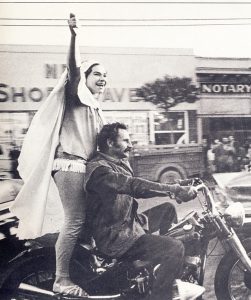

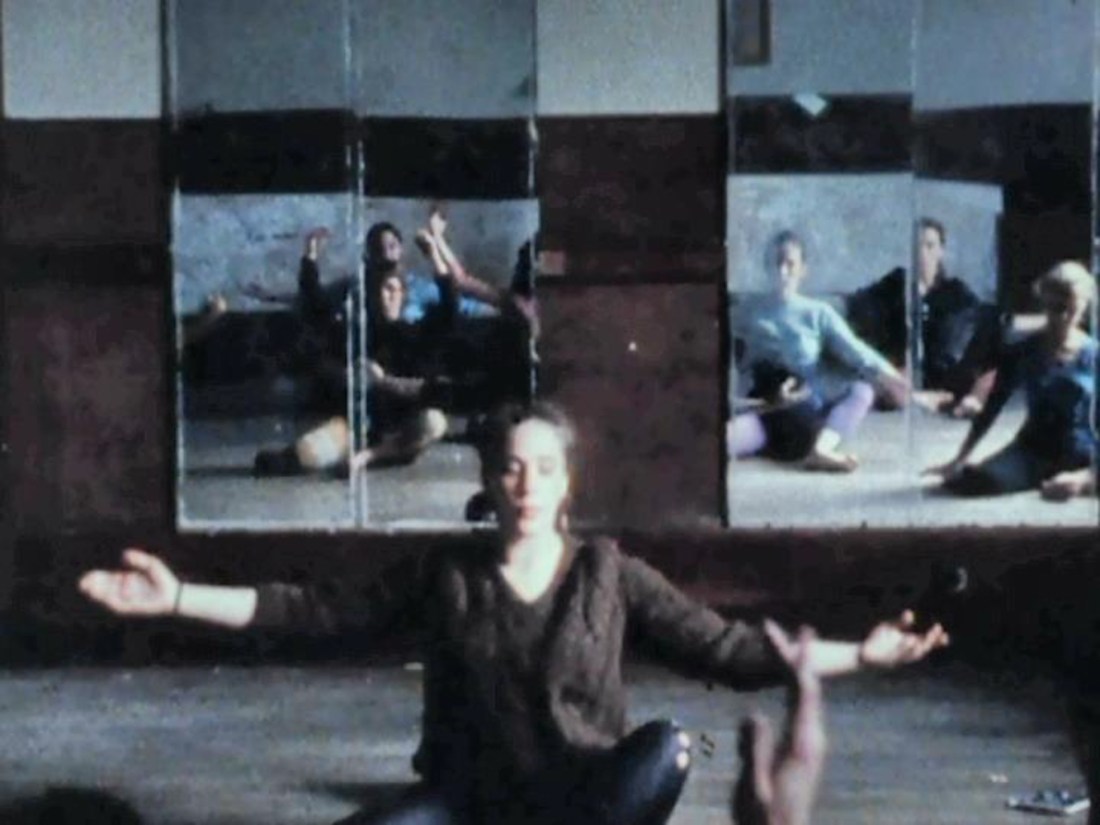

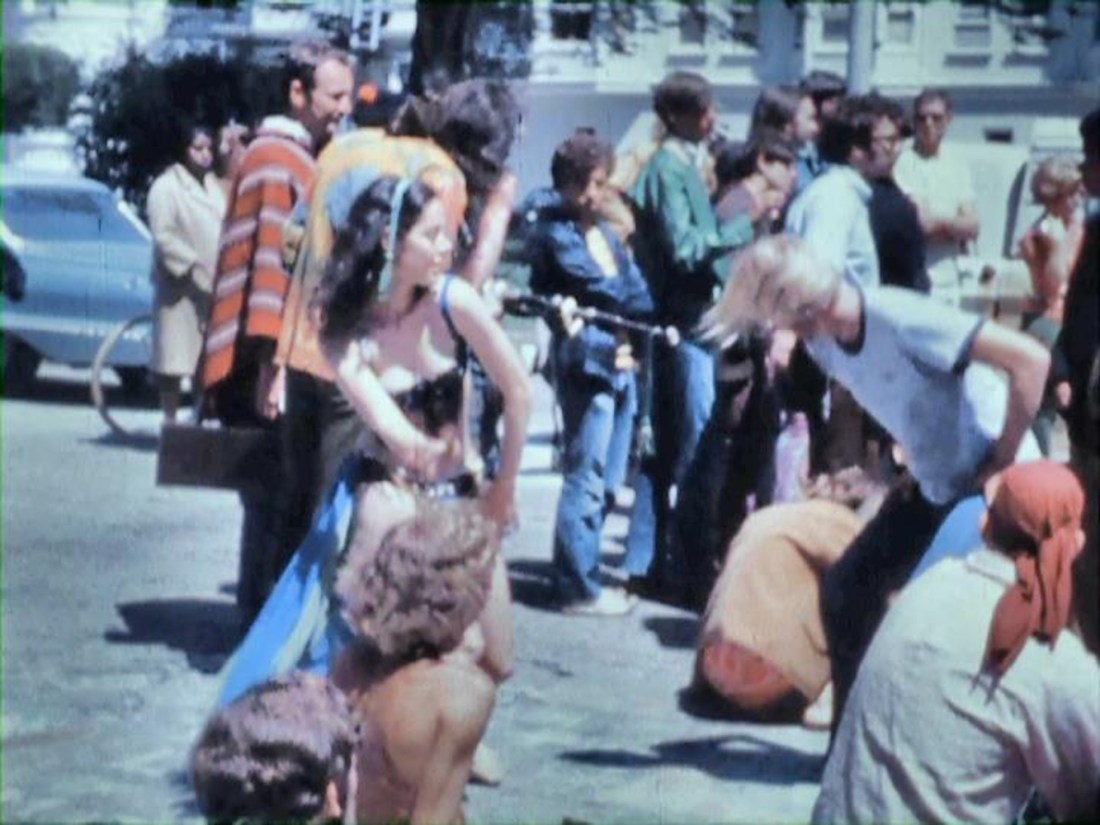
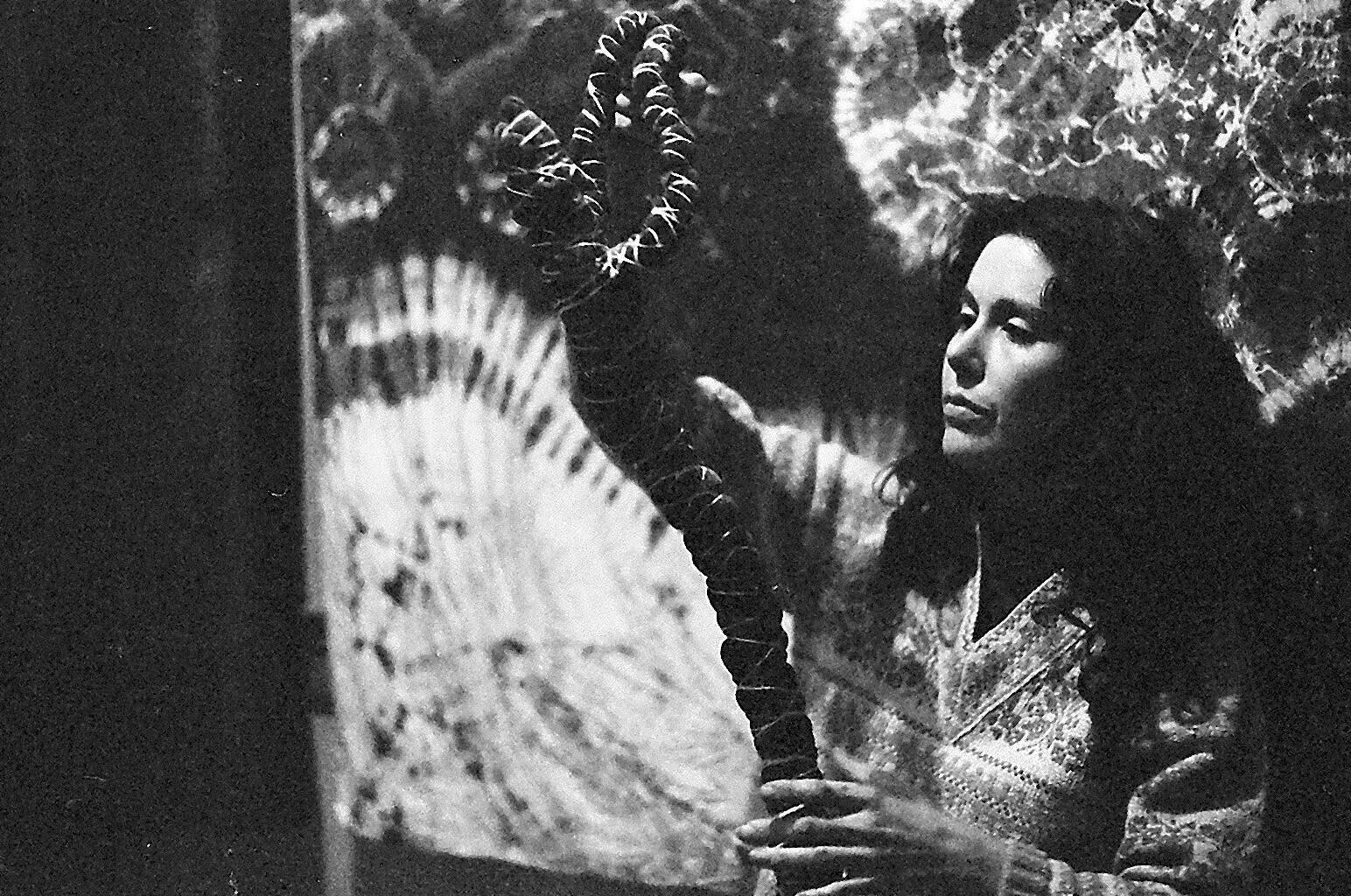
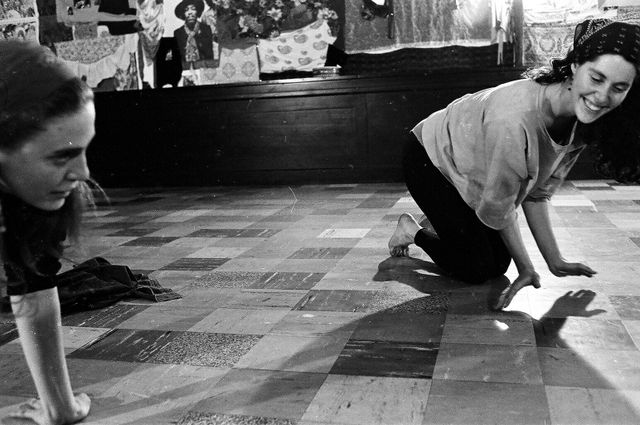

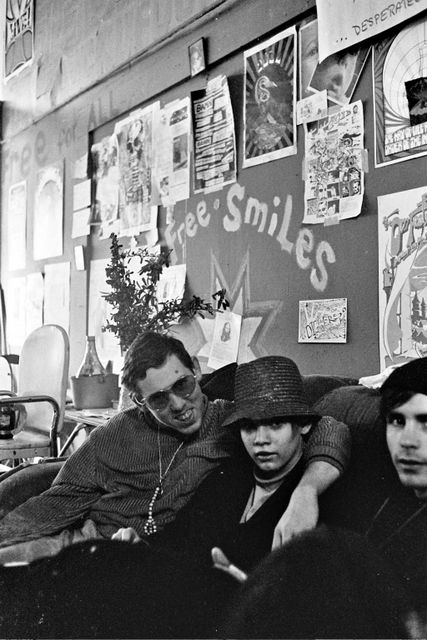

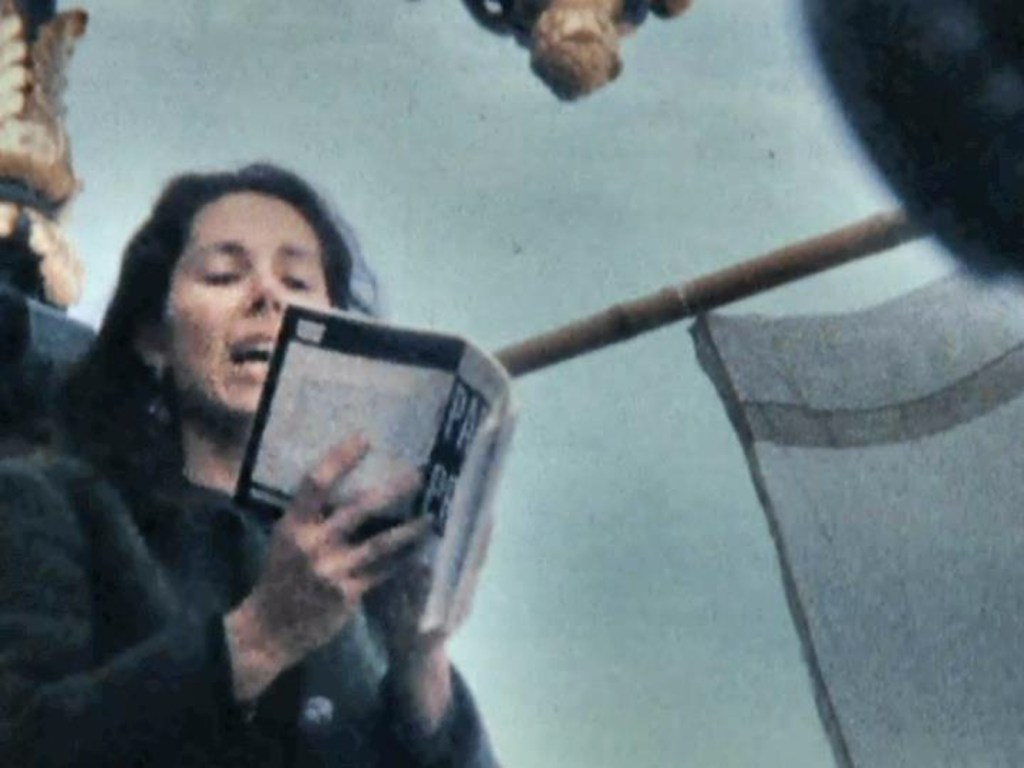
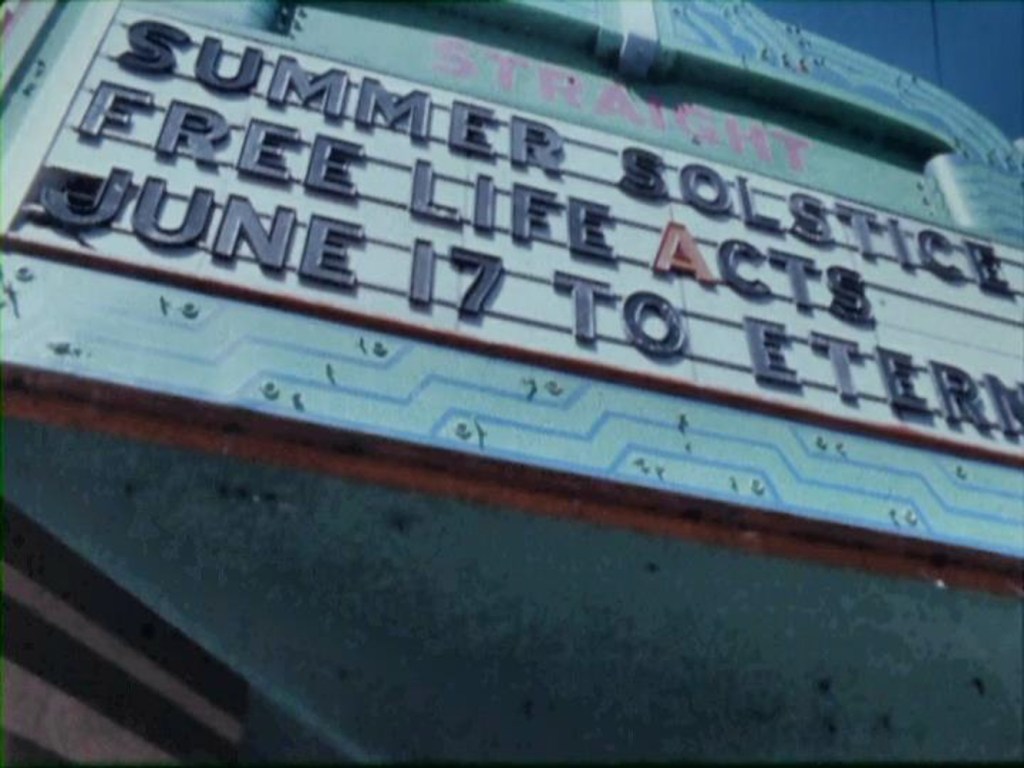

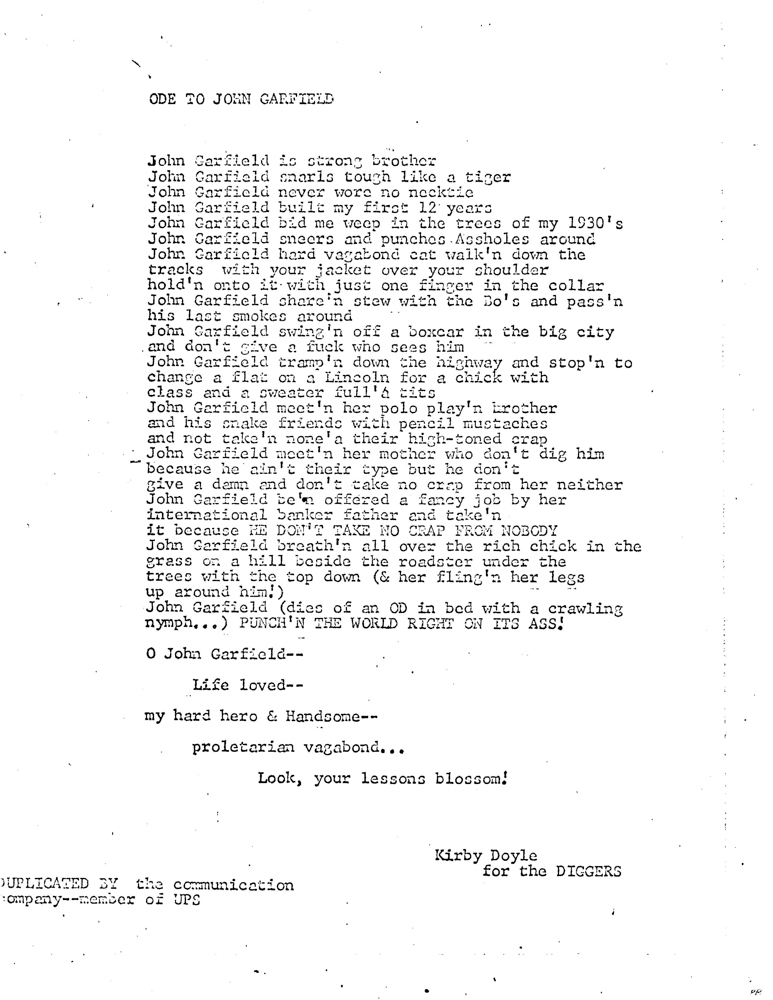

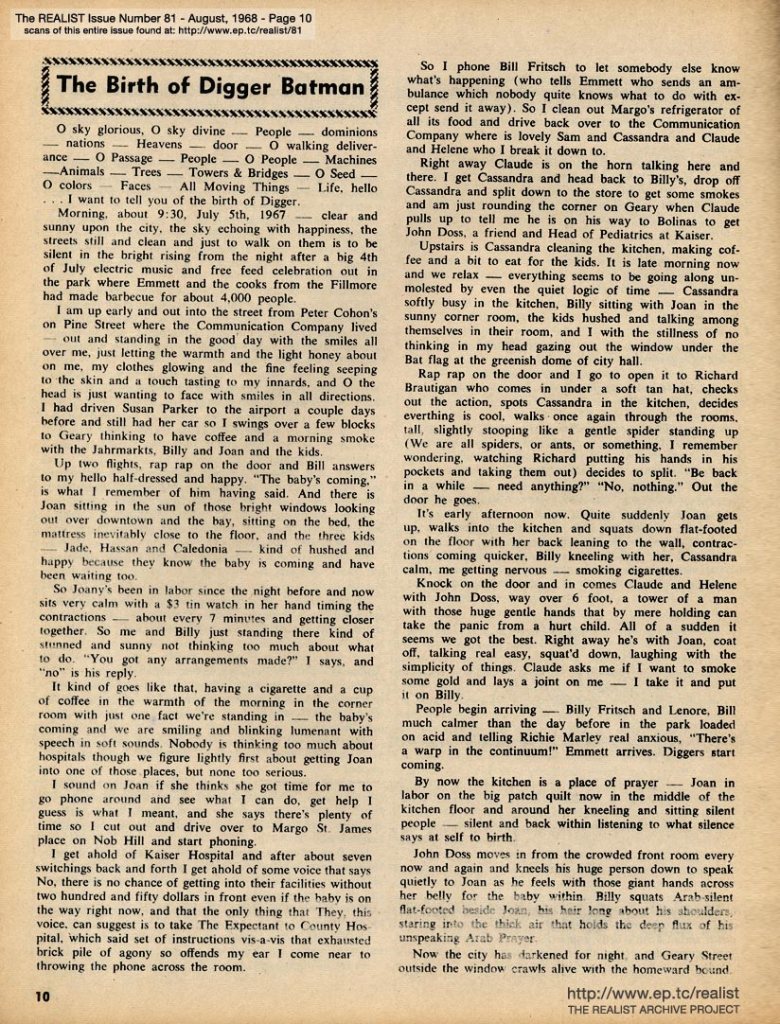
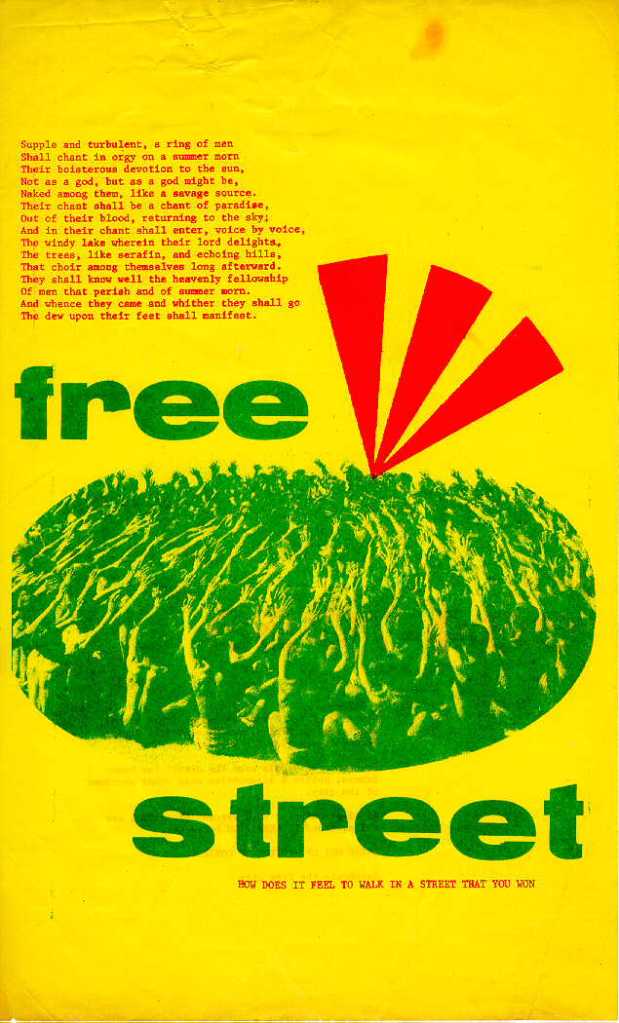



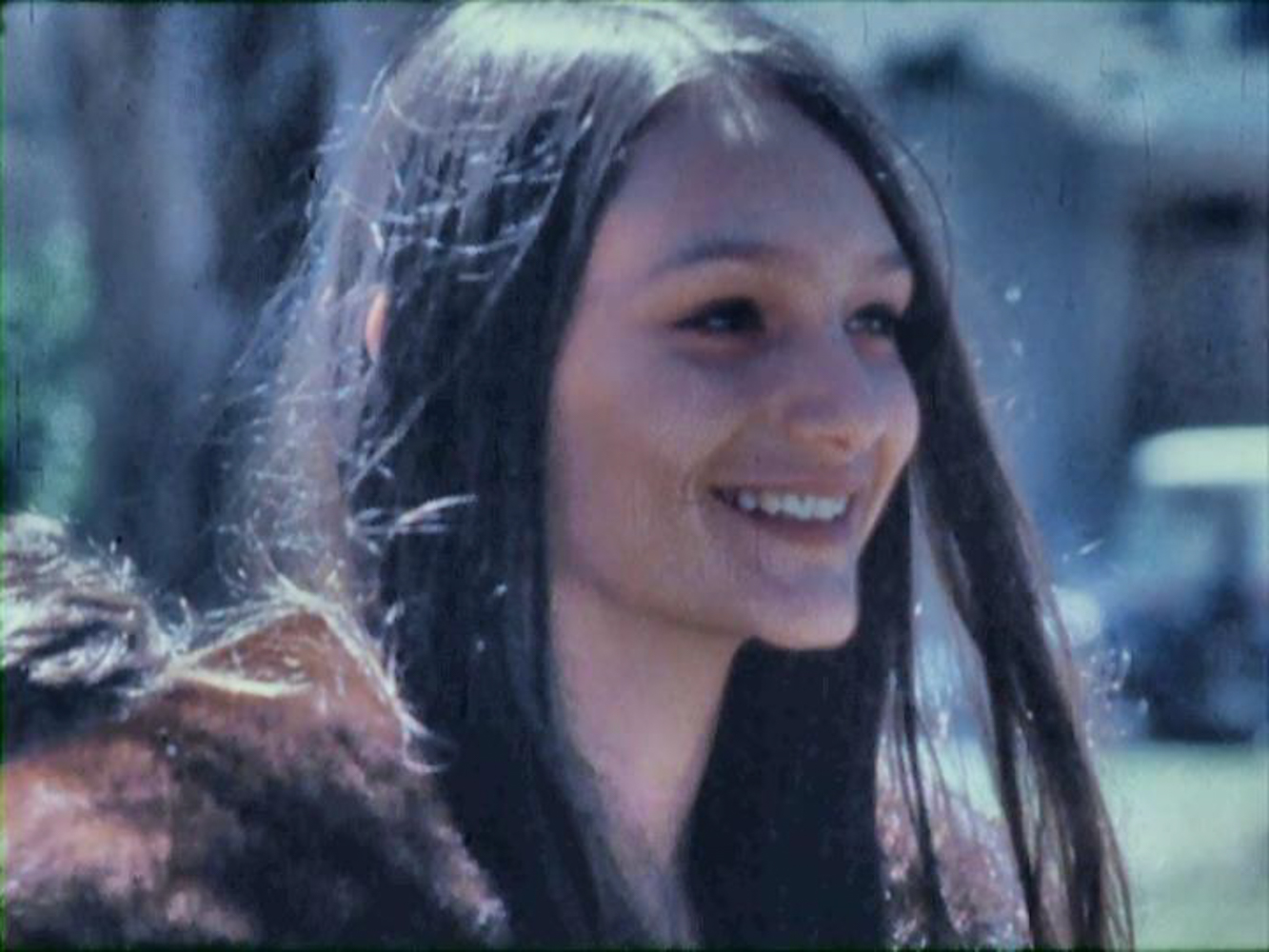
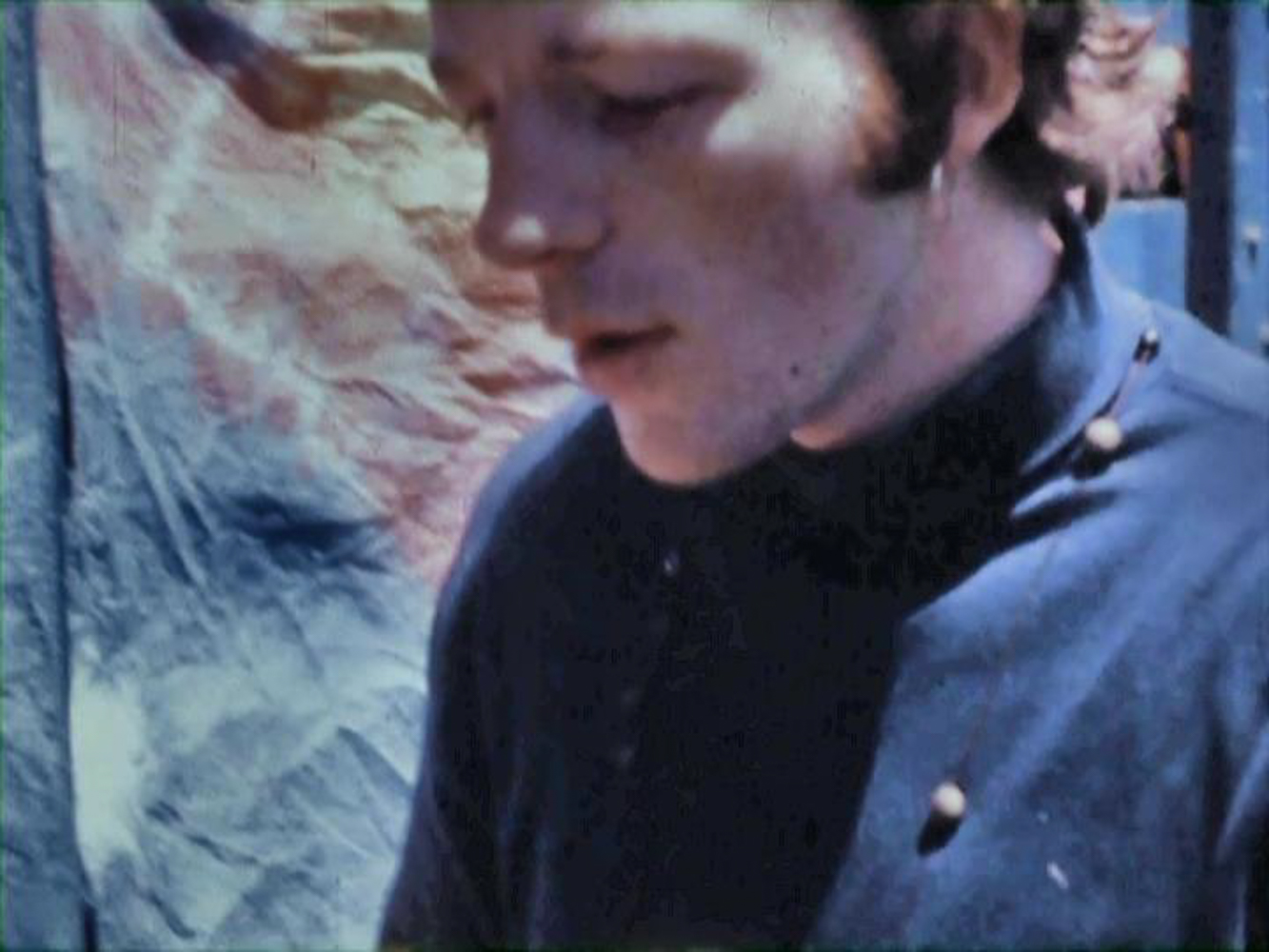

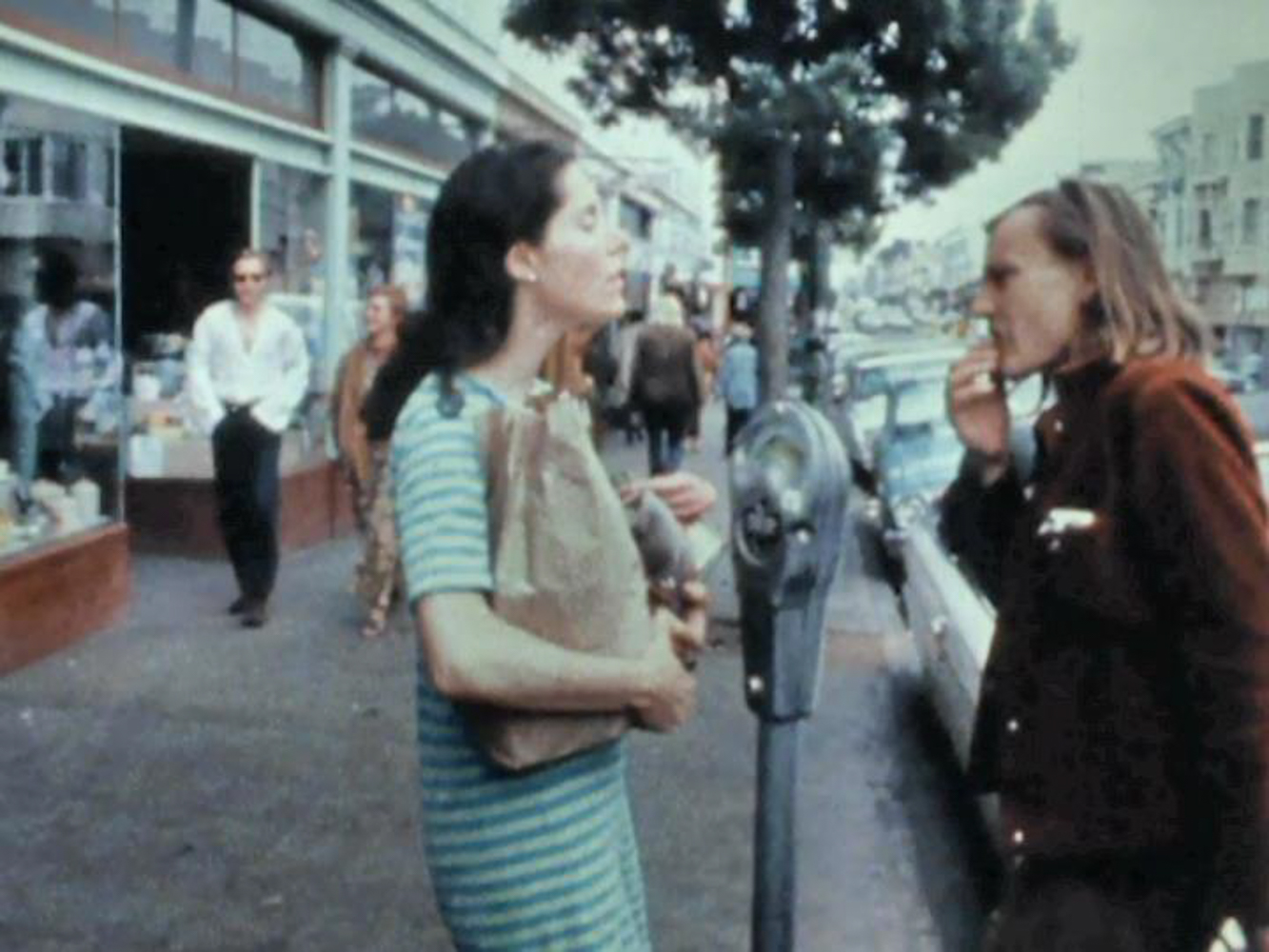

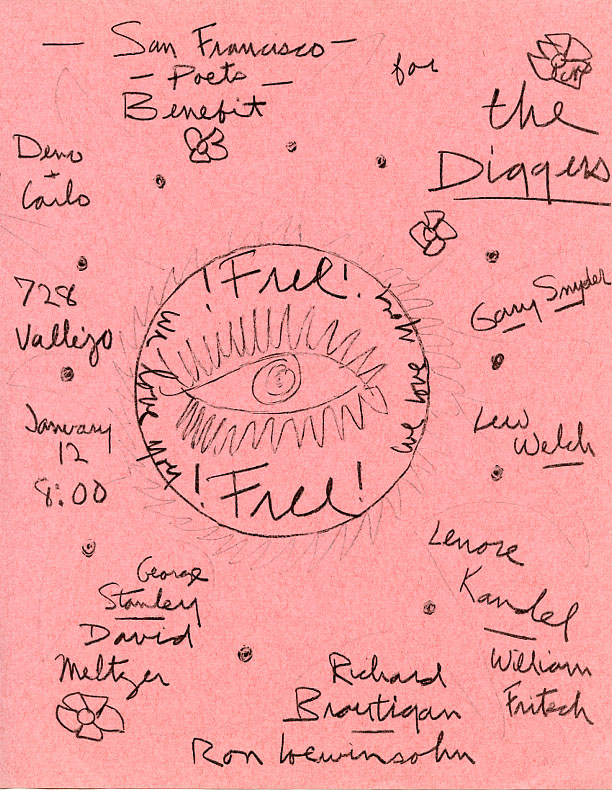


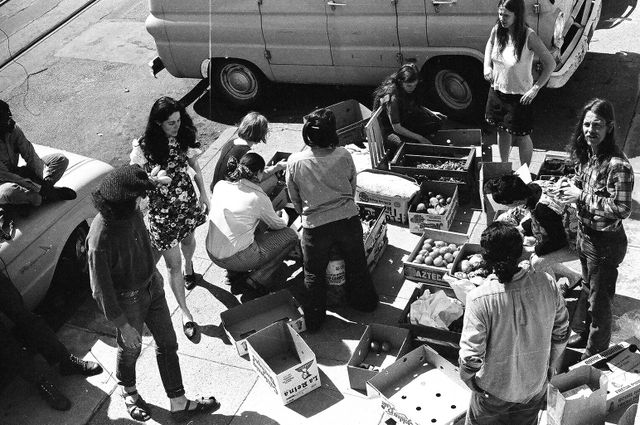
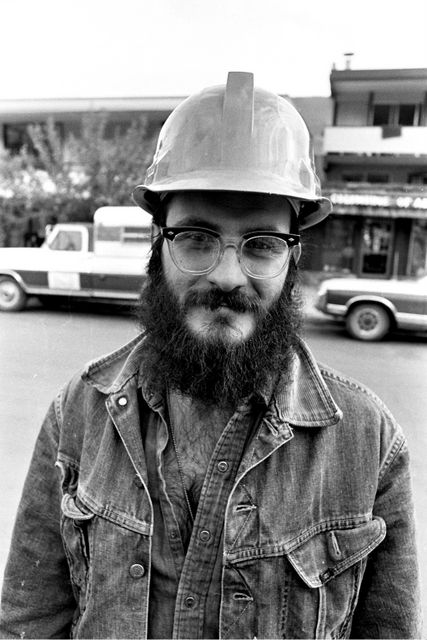

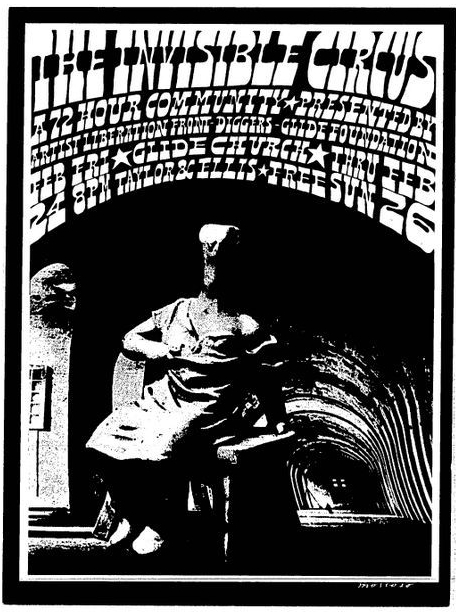


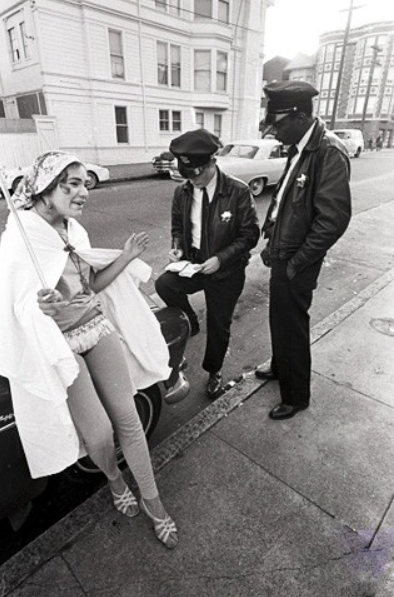
 Diggers Docs